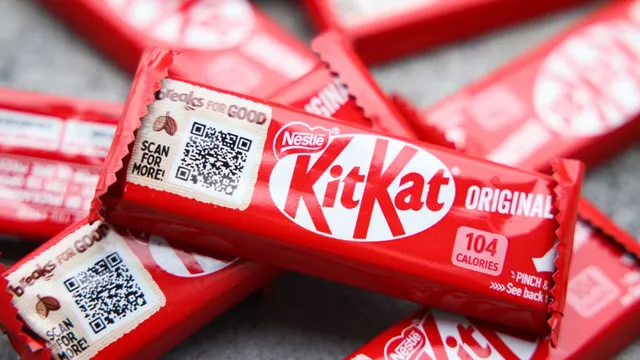
In late March 2024, a significant incident occurred in Switzerland when a truckload of KitKats was stolen. This theft prompted a unique response from Nestlé's marketing team, led by Mélanie Brinbaum, the European head of marketing and consumer communications. Instead of treating the situation as a crisis, the team decided to leverage the incident for a marketing opportunity. They proposed the idea of making the story public, which was initially met with humor among colleagues. However, the team quickly recognized the potential for a broader conversation about cargo hijackings, which have been increasingly problematic for companies and their supply chains.
Nestlé collaborated with their agency partner, VML, to develop a creative campaign that included a stolen KitKat tracker. This innovative tool allowed consumers to scan the eight-digit batch code on their KitKat wrappers to determine if their chocolate was part of the stolen shipment. The campaign gained significant traction, with over 2.2 million people engaging with the tracker, and KitKat's daily social video views skyrocketing from approximately 1 million to 29 million. The marketing strategy not only addressed the theft but also highlighted the growing issue of cargo hijackings in a light-hearted manner.
To further capitalize on the momentum, Nestlé executed a follow-up stunt featuring a KitKat-branded truck being escorted by a secret service-style security team through Toronto. This clever marketing move attracted attention and engagement from other major brands, including Domino's, KFC, and Ryanair, who joined in on the joke. Brinbaum emphasized that the success of this unconventional campaign was due to the marketing team's ability to act quickly and decisively without the usual bureaucratic delays that often accompany large corporations.
Brinbaum's leadership and experience as a junior marketer have fostered a culture within Nestlé that encourages bold and innovative ideas. She advocates for a shift away from mediocrity, urging her team to resist the temptation to play it safe simply because they represent a well-established brand. As consumer expectations continue to rise, especially in the face of nimble challenger brands, Nestlé has recognized the need to adapt its marketing strategies. The company has also made significant changes to its media support structure, reducing the number of brands receiving dedicated media budgets from over 400 to 150 by 2026, which means many brands will now compete for cultural relevance without substantial financial backing.