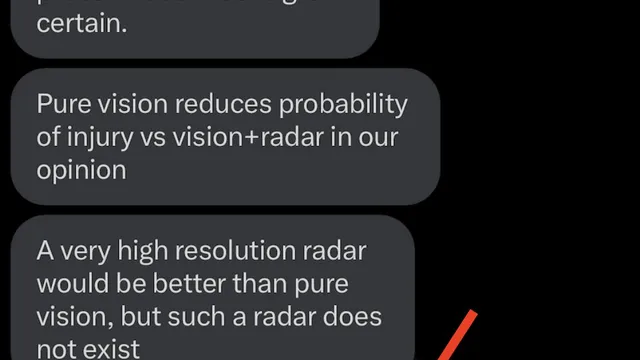
The safety concerns surrounding Tesla's Full Self-Driving (FSD) technology have become a focal point of discussion among industry experts, regulators, and the general public. As Tesla continues to advance its autonomous driving capabilities, the implications of these developments raise critical questions about the reliability and safety of the technology. The FSD system, which aims to enable fully autonomous driving, relies heavily on artificial intelligence and machine learning algorithms to interpret data from various sensors and cameras. However, incidents involving crashes and near-misses have sparked debates about the readiness of such technology for widespread use on public roads. Critics argue that the current state of FSD may not be sufficiently robust to handle the complexities of real-world driving scenarios, leading to potential risks for both drivers and pedestrians alike.
Regulatory bodies have taken notice of these safety concerns, prompting investigations and calls for stricter oversight of autonomous vehicle technologies. The National Highway Traffic Safety Administration (NHTSA) has been actively monitoring Tesla's FSD system, assessing its performance and the frequency of reported incidents. In response to these concerns, Tesla has implemented software updates and improvements to enhance the safety features of its FSD technology. However, the effectiveness of these measures remains a topic of scrutiny, as stakeholders demand transparency and accountability from the company regarding the safety of its autonomous driving systems.
Moreover, the ethical implications of deploying FSD technology cannot be overlooked. The potential for accidents raises questions about liability and responsibility in the event of a crash involving an autonomous vehicle. As Tesla promotes its FSD capabilities, it is essential to consider the broader societal impacts, including public trust in autonomous driving technology and the potential for regulatory frameworks to evolve in response to these advancements. The balance between innovation and safety is delicate, and stakeholders must work collaboratively to ensure that the deployment of FSD technology does not compromise public safety.
In conclusion, while Tesla's Full Self-Driving technology represents a significant leap forward in automotive innovation, the associated safety concerns necessitate careful examination and ongoing dialogue among industry leaders, regulators, and consumers. As the technology continues to develop, it is imperative that rigorous safety standards are established and maintained to protect all road users. The future of autonomous driving hinges on the ability to address these safety challenges effectively, ensuring that advancements in technology do not come at the expense of human life.