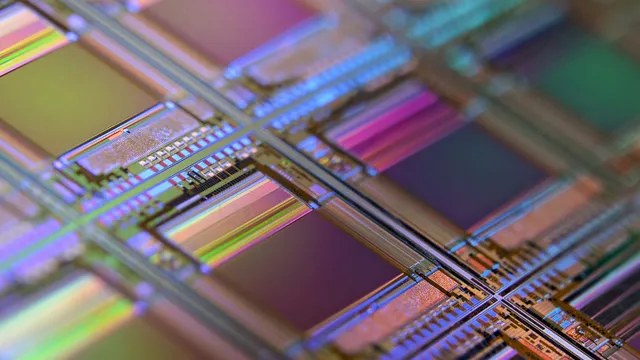
In recent months, the United States has made a historic commitment to revitalize its semiconductor manufacturing sector. This initiative is crucial as semiconductors are essential for the advancement of artificial intelligence and other technologies that bolster national security and economic competitiveness. New fabrication facilities are currently under construction, and advanced process nodes are being brought back to domestic soil. This effort is accompanied by significant financial investments across the semiconductor value chain, amounting to billions of dollars.
However, the challenge extends beyond just building new facilities. The materials used in semiconductor production, such as process chemicals, catalysts, and magnetic materials, play a critical role in determining the efficiency and effectiveness of manufacturing processes. The Department of Commerce has recognized this issue by awarding $500 million to SandboxAQ, highlighting the importance of materials science in overcoming bottlenecks in advanced manufacturing. This initiative aims to address the scientific challenges associated with materials that are integral to semiconductor production.
The focus on materials science is essential as it directly impacts yield, uptime, contamination control, and overall manufacturing economics. The search for alternative molecular structures that meet performance and environmental standards is a complex task that can take years of testing. Traditional laboratory methods are often insufficient to explore the vast number of potential candidate molecules needed to solve these problems. Therefore, the integration of quantitative AI, particularly through Large Quantitative Models (LQMs), is becoming increasingly important in materials discovery.
The strategic value of the semiconductor industry to the United States cannot be overstated. The future of semiconductor manufacturing will be shaped by the innovations in materials and processes that occur long before the actual production of wafers. Accelerating advancements at this foundational level is vital for creating a semiconductor industry that is resilient, sustainable, and competitive in the long term.