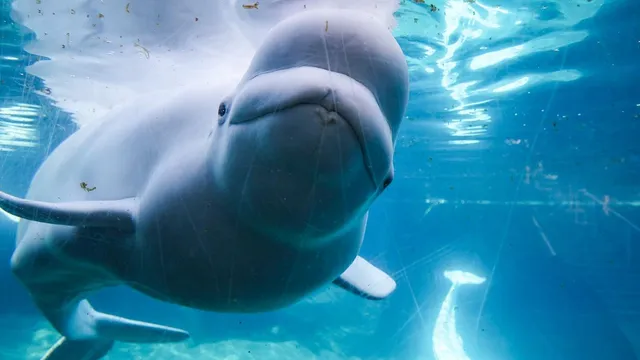
Six beluga whales relocated from Marineland to U.S. aquariums
environment
controversial
informative

Six beluga whales relocated from Marineland to U.S. aquariums

40
(Update: )
oceanarium in Antibes, France
  • Six beluga whales were relocated from Marineland in Ontario to U.S. aquariums on July 20, 2026.
  • The operation involved careful planning and coordination among various marine mammal facilities.
  • The successful transfer marks a significant step in ensuring the welfare of the whales after Marineland's closure.
Share opinion
4

Story

In Canada, six beluga whales were successfully relocated from Marineland in Niagara Falls, Ontario, to various aquariums in the United States on July 20, 2026. This operation marked a significant milestone in a complex process that had been in preparation for several months. The relocation was necessitated after the Canadian government denied a request to export the whales to China, prompting a coordinated effort among leading marine mammal aquariums to ensure the safe transport of the whales. The U.S. aquariums involved are part of the Association of Zoos and Aquariums, which played a crucial role in facilitating this transfer. The operation involved meticulous planning and execution, with dozens of workers from Marineland and the Shedd Aquarium in Chicago participating in the process. The whales were carefully lifted from their pools using custom-made slings and cranes, then placed into large transport containers designed to keep them comfortable during the journey. The containers were filled with water and cushioned with soft materials to minimize stress on the animals. The transport team took special precautions to ensure the whales' safety during the drive to Toronto Pearson International Airport, where they would board a plane for their final destination. The convoy transporting the whales was escorted by police to ensure a smooth and safe journey. The flight was planned to avoid steep inclines during takeoff and landing, and the whales were expected to arrive at their new homes in the early hours of July 21, 2026. Four of the whales, named Sierra, Acadia, Osiris, and Lillooet, were headed to the Shedd Aquarium, while the remaining two, Bertie Botts and Frankie, were destined for SeaWorld in San Antonio, Texas. This operation is part of a larger plan to relocate up to 30 remaining whales from Marineland to various accredited aquariums in the U.S. and one in Spain over the coming weeks. The successful relocation of these belugas highlights the commitment of marine mammal facilities to prioritize the welfare of these animals. The consortium of aquariums, veterinarians, and other organizations involved in this effort expressed gratitude for the collaboration that made this complex operation possible. The overarching goal remains the safe, healthy, and comfortable transfer of the whales to their new environments, ensuring they receive the best possible care in their new homes.

Context

The closure of Marineland has significant implications for marine life, both in captivity and in the wild. Marineland, known for its marine mammal exhibits and aquatic shows, has been a focal point for public engagement with marine species. However, the ethical concerns surrounding the treatment of marine animals in captivity have led to increased scrutiny and calls for closure. The impact of this closure extends beyond the immediate welfare of the animals housed within the facility; it also affects conservation efforts, public education, and the overall perception of marine life in society. With the closure of Marineland, many marine animals, including dolphins, seals, and various fish species, are being relocated to sanctuaries or rehabilitation centers. This transition is crucial for their well-being, as it allows them to live in environments that more closely resemble their natural habitats. The relocation process, however, must be carefully managed to ensure that the animals can adapt and thrive in their new surroundings. Additionally, the closure presents an opportunity for increased funding and support for marine conservation initiatives, as public interest in marine life often spikes following the closure of such facilities. Moreover, the closure of Marineland may lead to a shift in public education regarding marine ecosystems. Without the presence of a marine park, alternative educational programs must be developed to inform the public about marine conservation, the importance of biodiversity, and the threats facing marine species. This could involve partnerships with local aquariums, educational institutions, and conservation organizations to create engaging and informative experiences that promote awareness and stewardship of marine environments. In conclusion, while the closure of Marineland poses challenges, it also presents a unique opportunity to enhance the welfare of marine life and promote conservation efforts. The focus must now shift towards ensuring that the animals are cared for in a manner that prioritizes their health and well-being, while also fostering a greater understanding of marine ecosystems among the public. By leveraging this moment, stakeholders can work together to create a more sustainable future for marine life, ultimately benefiting both the animals and the communities that engage with them.