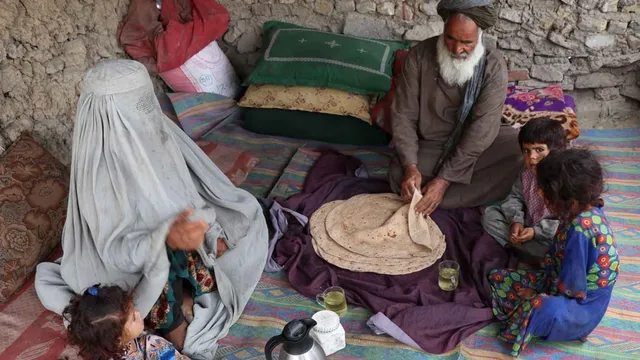
Afghanistan has faced severe economic challenges since the Taliban regained control in August 2021. The withdrawal of international military forces led to a significant downturn in the economy, with inflation rates soaring and international investments dwindling. Ordinary Afghans, like Momin Khan, who runs a small shop in Kabul, find themselves in dire situations, often relying on remittances sent by family members living abroad. These remittances have become a crucial lifeline for many households, providing essential support for daily expenses amidst a backdrop of high unemployment and limited job opportunities.
The economic landscape in Afghanistan has deteriorated over the past five years, with inflation rates reaching 8 percent in May 2026, a stark contrast to just 0.5 percent a year earlier. This inflation has severely impacted the purchasing power of ordinary citizens, making it increasingly difficult for families to afford basic necessities. Many Afghans report that without the financial support from relatives abroad, they would struggle to meet their daily needs. Abdul Sattar Ayubi, a resident of Kunar Province, emphasized the importance of remittances, stating that his family would be unable to survive without the money sent by his son.
The Taliban government has attempted to project an image of economic success through initiatives like the five-year National Development Strategy. However, the reality on the ground tells a different story, as many Afghans continue to face poverty and unemployment. The unemployment rate in Afghanistan remains alarmingly high, with the International Labor Organization reporting a rate of 13.35 percent in 2025. The situation is further exacerbated by restrictions on women's employment, which limits their ability to contribute to the economy and support their families.
As the economic crisis deepens, the reliance on remittances has increased significantly. Former head of Afghanistan's Chamber of Commerce, Azarakhsh Hafizi, noted that foreign remittances have effectively tripled in recent years, highlighting the growing dependence of Afghan families on financial support from abroad. The informal Hawala system, which facilitates these remittances, plays a crucial role in the economy, as it operates outside the traditional banking system. With millions of Afghans returning home and rapid population growth outpacing economic gains, the country faces a challenging future, with deepening poverty and fragility becoming the norm for many households.