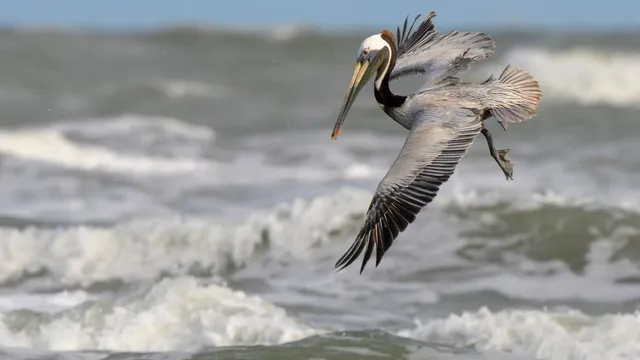
Aerial aquatic vehicles, which include drones and other unmanned aerial systems designed for operation over water, have gained significant attention in recent years due to their diverse applications. These vehicles are equipped with advanced technologies that enable them to perform various tasks, ranging from environmental monitoring to search and rescue operations. Their ability to access hard-to-reach areas and operate in challenging conditions makes them invaluable tools in both commercial and research settings. The integration of aerial and aquatic capabilities allows for a unique approach to data collection and analysis, enhancing our understanding of aquatic ecosystems and improving response strategies in emergency situations.
One of the primary applications of aerial aquatic vehicles is in environmental monitoring. These vehicles can be deployed to collect data on water quality, temperature, and other critical parameters in lakes, rivers, and oceans. By utilizing sensors and imaging technology, they can provide real-time information that is essential for managing natural resources and assessing the health of aquatic environments. This data is crucial for researchers and policymakers who aim to address issues such as pollution, habitat degradation, and the impacts of climate change on marine ecosystems. Furthermore, aerial aquatic vehicles can facilitate the mapping of underwater features, contributing to better navigation and resource management.
In addition to environmental monitoring, aerial aquatic vehicles play a vital role in search and rescue operations. Their ability to cover large areas quickly and efficiently makes them ideal for locating missing persons or vessels in distress. Equipped with thermal imaging and other advanced sensors, these vehicles can identify heat signatures and provide critical information to rescue teams. This capability not only enhances the effectiveness of search efforts but also reduces the time required to locate individuals in emergency situations, potentially saving lives. The use of aerial aquatic vehicles in these scenarios exemplifies their versatility and the growing reliance on technology in public safety initiatives.
Moreover, the commercial sector is increasingly adopting aerial aquatic vehicles for various applications, including infrastructure inspection and maintenance. These vehicles can be used to inspect bridges, dams, and other structures that are in proximity to water bodies, providing a safer and more efficient alternative to traditional inspection methods. By capturing high-resolution images and data, they enable engineers and maintenance teams to identify potential issues before they escalate into costly repairs. As technology continues to advance, the capabilities of aerial aquatic vehicles are expected to expand, leading to new applications and improved efficiency across multiple industries. Overall, the integration of aerial and aquatic technologies represents a significant advancement in our ability to monitor, protect, and manage aquatic environments.