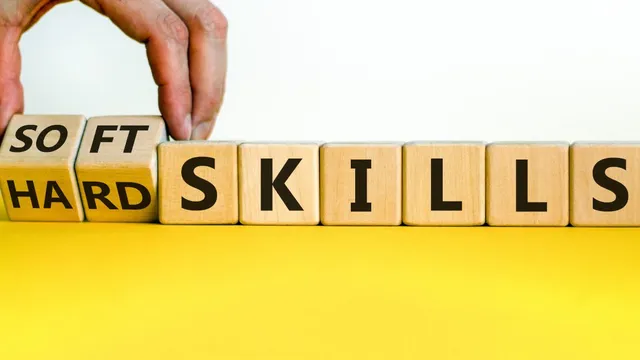
In recent discussions about career prospects, college students express concerns about job displacement due to automation and artificial intelligence. As universities incorporate AI into their curricula, employers are rapidly adopting these technologies, leading to a shift in hiring criteria. Research conducted by scholars examining the impact of technology on the workplace reveals that employers value not only technical skills but also soft skills such as communication, adaptability, and professionalism. Employers emphasize the importance of candidates being able to learn and grow within their organizations, indicating that while technical knowledge is essential, the ability to apply that knowledge responsibly and effectively is equally critical.
The findings suggest that employers are not solely focused on technical abilities when hiring recent graduates and early-career professionals. Instead, they seek individuals who can demonstrate a willingness to adapt and grow alongside the organization. Communication skills have emerged as a persistent concern for employers, highlighting the need for graduates to articulate their ideas clearly and work collaboratively with others. This trend indicates that while AI is transforming the workplace, it has not fundamentally altered the core qualities that employers seek in potential hires.
As the job market evolves, the integration of AI into various industries necessitates a balance between technical proficiency and interpersonal skills. Employers are looking for candidates who can navigate the complexities of modern work environments, which often require teamwork and effective communication. The ability to exercise sound judgement and follow through on commitments is also crucial, as organizations face rapid changes and challenges in their operations.
In conclusion, the research underscores the importance of a holistic approach to career readiness, where both technical skills and soft skills are valued. Graduates must not only be equipped with the knowledge to use AI and other technologies but also possess the interpersonal skills necessary to thrive in collaborative settings. This dual focus will better prepare students for the demands of the contemporary workforce and enhance their employability in an increasingly automated world.