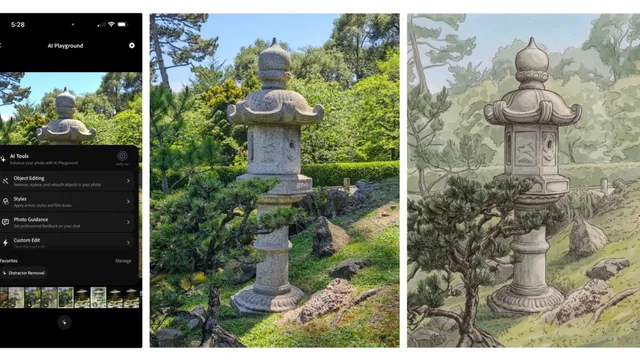
The integration of artificial intelligence (AI) in photography applications has revolutionized the way users capture, edit, and share images. AI technologies have enabled significant advancements in image processing, allowing for enhanced features such as automatic scene recognition, intelligent cropping, and real-time filters. These capabilities not only streamline the photography process but also empower users, regardless of their skill level, to produce high-quality images with minimal effort. As a result, photography apps have become increasingly popular among both amateur and professional photographers, as they offer tools that were once only available through complex software or professional equipment.
One of the most notable applications of AI in photography is in the realm of image enhancement. AI algorithms can analyze photographs and make adjustments to lighting, color balance, and sharpness automatically. This technology is particularly beneficial for users who may not have extensive knowledge of photo editing techniques. Additionally, AI-driven features such as facial recognition and object detection allow for more personalized editing options, enabling users to focus on specific subjects within their images. These advancements have made it easier for users to achieve professional-looking results without the need for extensive training or experience.
Moreover, AI has also transformed the way users interact with photography apps. Voice commands and natural language processing have made it possible for users to control their apps hands-free, enhancing the overall user experience. Furthermore, AI can learn from user preferences and behaviors, allowing for a more tailored experience. For instance, some apps can suggest edits based on a user's past choices or even predict the best time to take a photo based on environmental conditions. This level of personalization not only improves user satisfaction but also encourages greater engagement with the app.
As the technology continues to evolve, the future of AI in photography apps looks promising. Innovations such as augmented reality (AR) and machine learning are expected to further enhance the capabilities of these applications. For example, AR can provide users with real-time overlays and guidance while composing their shots, while machine learning can continuously improve the app's performance based on user feedback and data. As a result, the integration of AI in photography apps is likely to continue shaping the landscape of photography, making it more accessible and enjoyable for users around the world.