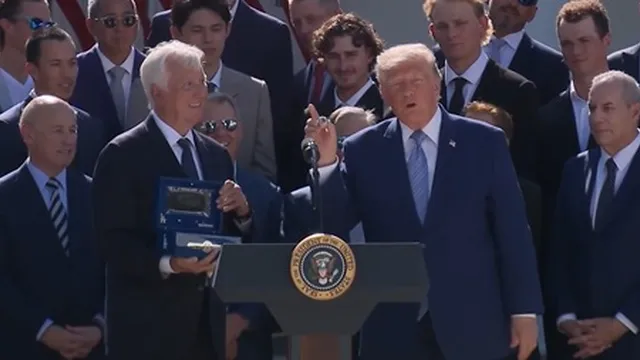
The history of championship teams visiting the White House is a rich tapestry that reflects not only the achievements of the teams but also the cultural and political significance of these visits. Traditionally, when a professional sports team wins a championship, they are invited to the White House to celebrate their victory with the President of the United States. This practice began in the 1860s, with the first recorded visit by a championship team occurring in 1865 when the Washington Nationals, a baseball team, met President Abraham Lincoln. Since then, the tradition has evolved, with various sports leagues and teams making their way to the White House to commemorate their successes.
Throughout the years, these visits have served as a platform for athletes to engage with political leaders and promote social causes. For instance, during the 1980s, the New York Yankees visited President Ronald Reagan after their World Series win, and the event was marked by discussions on patriotism and American values. In more recent years, the visits have also highlighted issues such as racial equality and community service, with athletes using their platform to advocate for change. The visits have not only celebrated athletic achievements but have also provided an opportunity for athletes to address pressing social issues, reflecting the intersection of sports and politics.
The tradition of championship teams visiting the White House has not been without controversy. Certain visits have sparked debates over the political climate and the athletes' stances on various issues. For example, in 2018, the Philadelphia Eagles were invited to the White House after their Super Bowl victory, but the visit was marred by political tensions, leading to a cancellation of the event by the President. Similarly, in 2020, the Los Angeles Lakers chose not to visit the White House after their championship win, citing political disagreements. These instances illustrate how the visits can become a focal point for broader societal discussions, reflecting the athletes' values and the political landscape of the time.
In conclusion, the history of championship teams visiting the White House is a significant aspect of American sports culture, intertwining athletic achievement with political engagement. These visits have evolved from simple celebrations of victory to complex events that address social issues and reflect the athletes' perspectives on the political climate. As the tradition continues, it remains a powerful symbol of the relationship between sports and politics, showcasing how athletes can influence and inspire change beyond the playing field.