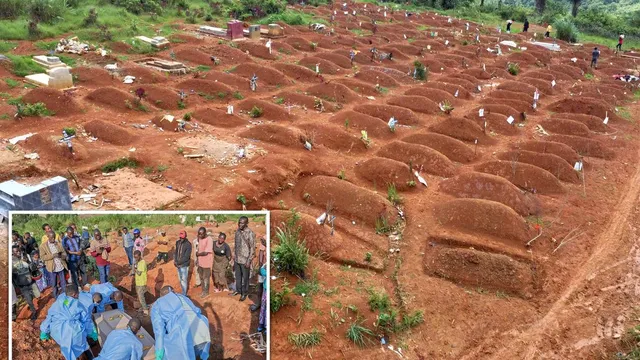
Congo is currently facing its fastest-moving Ebola outbreak on record, with confirmed cases reaching 3,262 and deaths totaling 1,437 within a mere 10 weeks. This alarming situation has been reported by the Congolese Ministry of Health, highlighting the outbreak's rapid escalation. The outbreak is primarily concentrated in the eastern Ituri province, which has been significantly affected by ongoing violence and instability. The current outbreak, declared on May 15, is particularly concerning as it is caused by the Bundibugyo virus, which lacks approved vaccines or treatments, making containment efforts exceedingly difficult.
The previous Ebola outbreak in Congo, which lasted from 2018 to 2020, recorded over 3,400 cases and more than 2,200 deaths. In comparison, the current outbreak is nearing these figures in a fraction of the time, raising alarms among health officials and community leaders. The speed of transmission has been exacerbated by various factors, including community distrust towards health workers, displacement due to armed conflict, and challenges in accessing remote areas. Many communities in the affected regions have been abandoned by responders due to safety concerns, further complicating the response efforts.
Health workers have also been striking to protest unpaid wages, which has hindered the response to the outbreak. The situation is dire, as the virus continues to spread faster than health officials can track, and patient zero has yet to be identified. The lack of effective treatments and vaccines for the Bundibugyo virus adds to the urgency of the situation, as health officials scramble to contain the outbreak and prevent further loss of life.
Despite the challenges, there are signs of progress as community members begin to recognize the importance of cooperating with health teams. Residents in affected areas, such as Mongbwalu, have expressed a desire to combat the outbreak together, acknowledging the devastating impact it has had on their families and communities. The ongoing efforts to control the outbreak are critical, as the potential for it to become the worst in Congo's history looms large if swift action is not taken.