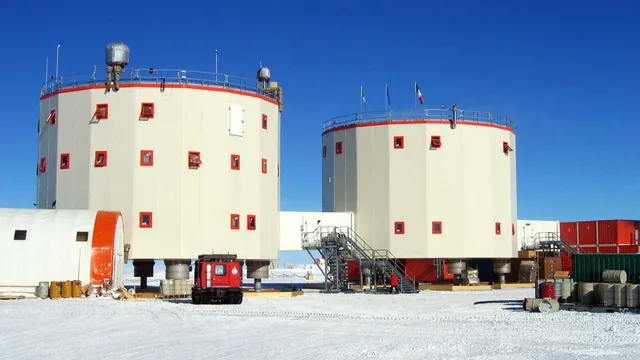
Antarctica, the southernmost continent, plays a crucial role in the Earth's climate system. Its vast ice sheets and glaciers are significant indicators of climate change, as they are sensitive to temperature fluctuations. Over the past few decades, scientists have observed alarming trends in Antarctica's weather patterns, including rising temperatures, increased precipitation, and accelerated ice melt. These changes are primarily attributed to global warming, driven by human activities such as fossil fuel combustion and deforestation, which have led to increased greenhouse gas concentrations in the atmosphere. The average temperature in Antarctica has risen by approximately 3 degrees Celsius since the 1950s, with the Antarctic Peninsula experiencing even more dramatic warming, making it one of the fastest-warming regions on Earth.
The impact of climate change on Antarctica's weather patterns is multifaceted. Warmer temperatures have resulted in more frequent and intense storms, altering precipitation patterns across the continent. While some areas have seen increased snowfall, others have experienced significant reductions in ice cover. This variability poses challenges for local ecosystems, as species that depend on stable ice conditions, such as seals and penguins, face habitat loss and food scarcity. Furthermore, the melting of ice sheets contributes to global sea-level rise, threatening coastal communities worldwide. The West Antarctic Ice Sheet, in particular, is of great concern, as it is considered unstable and could lead to substantial sea-level rise if it continues to melt at its current rate.
In addition to the direct effects of warming, climate change is also influencing ocean currents and atmospheric circulation patterns, which can have far-reaching consequences beyond Antarctica. The Southern Ocean, which surrounds the continent, is experiencing changes in temperature and salinity, affecting marine life and fisheries. These shifts can disrupt the food web, impacting not only local species but also those in distant ecosystems that rely on Antarctic marine resources. The interconnectedness of the Earth's climate system means that changes in Antarctica can have ripple effects across the globe, highlighting the importance of monitoring and understanding these trends.
To address the challenges posed by climate change in Antarctica, international collaboration and research are essential. Initiatives such as the Antarctic Treaty System promote scientific cooperation and environmental protection, allowing researchers from various countries to study the continent's climate and ecosystems. Continued investment in climate science, satellite monitoring, and field research is vital to improve our understanding of Antarctica's weather patterns and their implications for global climate change. As we move forward, it is imperative to prioritize sustainable practices and policies that mitigate climate change, ensuring the preservation of Antarctica's unique environment and its critical role in the Earth's climate system.