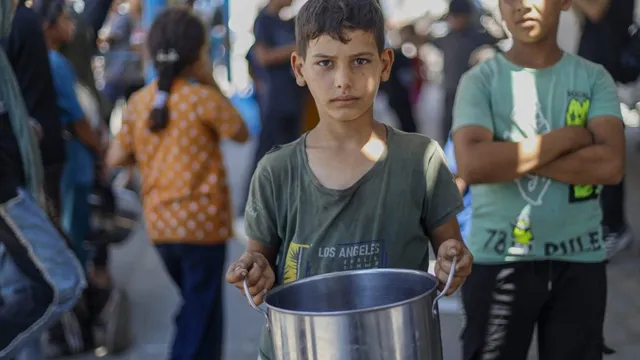
Iran war could push millions into chronic hunger by 2030
military conflicts
tragic
impactful

Iran war could push millions into chronic hunger by 2030

11
(Update: )
country in Western Asia
Peruvian economist
  • The UN report predicts that 522 million people could be undernourished by 2030 due to the Iran war.
  • The conflict is expected to push an additional 18 million people into chronic hunger, primarily affecting Asia and Africa.
  • The findings highlight the potential reversal of progress made in reducing global hunger, emphasizing the fragility of food security.
Share opinion
1

Story

The ongoing conflict in the Middle East, particularly the Iran war, has significant implications for global food security. A report published by five UN agencies projects that if the fallout from this conflict continues, up to 522 million people could be undernourished by 2030, an increase from the pre-conflict baseline of 503 million. This situation is exacerbated by the disruption of oil and gas infrastructure in the Persian Gulf, which has a direct impact on fertilizer production, as fertilizer is primarily sourced from natural gas. The report indicates that the most affected regions will be Asia and Africa, with an estimated 10 million and 8 million additional people facing hunger, respectively. Latin America and the Caribbean will also contribute to this increase, albeit to a lesser extent. The World Food Programme had previously warned that the conflict could lead to up to 45 million people experiencing acute food insecurity by mid-2026 if oil prices remain high. However, this figure pertains to immediate crises rather than the long-term undernourishment projected in the new report. The analysis highlights that the Hormuz-related crisis could result in an additional 8 million to 19 million people being undernourished by 2030, with 18 million being the worst-case scenario. This number is alarming, as it surpasses historical famine death tolls, such as those from the Holodomor and the Irish potato famine. Máximo Torero Cullen, the chief economist of the UN's Food and Agriculture Organization, emphasized that the crisis significantly undermines the progress made in reducing global hunger. The link between the Iran war and hunger is primarily through the fertilizer market, which is sensitive to supply shocks. Peter Alexander, a senior lecturer in global food security, explained that the global nature of fertilizer trading means that disruptions in one area can lead to price increases worldwide. Farmers respond to these price signals by reducing fertilizer use or altering crop choices, which ultimately leads to a decrease in global food supply. The report's findings come at a time when global hunger had been on a declining trend for three consecutive years, with the percentage of the world's population experiencing hunger dropping from 8.6% in 2022 to 7.8% in 2025. However, the potential reversal of this trend due to the Iran war highlights the fragility of food security in the face of geopolitical conflicts. The implications of these findings are profound, as they suggest that the ongoing conflict could not only exacerbate existing hunger issues but also undo years of progress in addressing food insecurity on a global scale.

Context

The ongoing conflict in Iran has significant implications for global food security, affecting supply chains, agricultural production, and food prices worldwide. As one of the key players in the Middle East, Iran's geopolitical stability is crucial for the region's agricultural output, particularly in the production of staple crops such as wheat, barley, and rice. The war has disrupted local farming activities, leading to decreased yields and increased food scarcity. Additionally, the conflict has resulted in the destruction of infrastructure, making it difficult for farmers to access markets and for food to be transported efficiently. This disruption not only impacts Iran but also has ripple effects on neighboring countries that rely on Iranian agricultural products and trade routes for their food supply. Moreover, the war has exacerbated existing tensions in the global food market, contributing to rising prices and increased volatility. As countries impose sanctions and trade restrictions in response to the conflict, the availability of essential food commodities is further compromised. This situation is particularly dire for nations that are heavily dependent on imports, as they face higher costs and potential shortages. The increased competition for limited resources can lead to food insecurity, particularly in vulnerable populations who are already struggling to meet their basic nutritional needs. The situation is further complicated by climate change, which is already putting pressure on agricultural systems worldwide. The humanitarian impact of the war in Iran cannot be overstated. Millions of people are at risk of food insecurity, with many facing malnutrition and hunger as a direct consequence of the conflict. Displaced populations and refugees often find themselves in precarious situations, lacking access to adequate food and nutrition. International organizations and NGOs are working tirelessly to provide assistance, but the scale of the crisis often outpaces their efforts. The need for a coordinated global response is critical to address the immediate needs of those affected while also working towards long-term solutions that promote stability and resilience in the region. In conclusion, the impact of the Iran war on global food security is profound and multifaceted. It highlights the interconnectedness of geopolitical events and food systems, emphasizing the need for comprehensive strategies to mitigate the effects of conflict on agriculture and food supply. Policymakers must prioritize diplomatic efforts to resolve the conflict and support initiatives that enhance food security in the region. By addressing the root causes of instability and investing in sustainable agricultural practices, the international community can help to ensure that food security is maintained, even in the face of ongoing challenges.