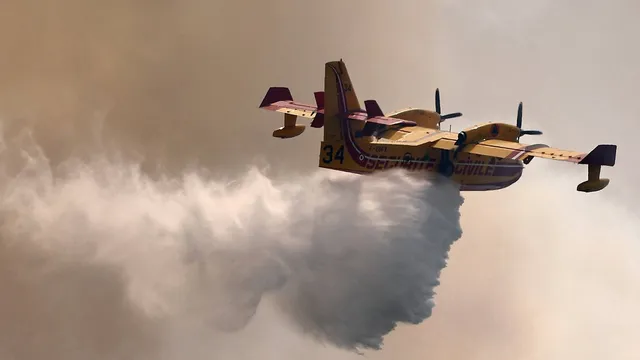
Climate change has emerged as a significant factor influencing the frequency and intensity of wildfires across Europe. Rising temperatures, prolonged droughts, and shifting precipitation patterns have created an environment conducive to wildfires. The Mediterranean region, in particular, has experienced a marked increase in wildfire incidents, with hotter summers and drier conditions exacerbating the risk. These changes are not only a result of natural variability but are increasingly linked to anthropogenic climate change, which has altered the landscape and ecosystems that are susceptible to fire. The implications of these changes are profound, affecting biodiversity, air quality, and human health, as well as leading to economic losses in affected areas.
The impact of climate change on wildfires is multifaceted. Higher temperatures can lead to increased evaporation rates, reducing soil moisture and making vegetation more flammable. Additionally, the changing climate has resulted in longer fire seasons, with some regions experiencing wildfires year-round. This extended period of vulnerability means that fire management strategies must adapt to a new reality where traditional methods may no longer suffice. The increased frequency of extreme weather events, such as heatwaves and storms, further complicates the situation, as these events can create conditions ripe for wildfires to ignite and spread rapidly.
Moreover, the ecological consequences of wildfires are significant. Fires can lead to habitat destruction, loss of biodiversity, and disruption of ecosystem services. Species that are already vulnerable due to habitat loss or climate change may face additional pressures from increased fire activity. The recovery of ecosystems post-fire can take years, and in some cases, the landscape may not return to its original state, leading to long-term ecological shifts. The social and economic ramifications are equally severe, with communities facing displacement, loss of property, and increased costs for firefighting and recovery efforts.
In conclusion, the impact of climate change on wildfires in Europe is a pressing issue that requires immediate attention and action. Policymakers, researchers, and communities must work together to develop adaptive strategies that mitigate the risks associated with wildfires. This includes investing in fire prevention measures, enhancing land management practices, and increasing public awareness about the importance of preparedness. As climate change continues to evolve, so too must our approaches to managing and understanding wildfires, ensuring that we protect both human lives and the natural environment.