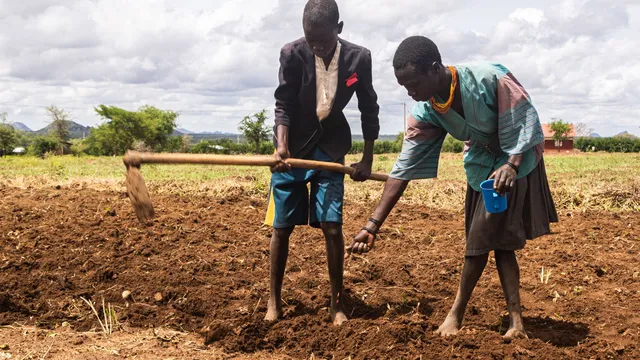
Uganda is currently grappling with a severe food crisis, primarily affecting the Karamoja region, where the worst drought in decades has led to alarming levels of food insecurity. Reports indicate that at least 19 individuals have succumbed to starvation, with an estimated 1.5 million people at risk of malnutrition. The Famine Early Warning Systems Network (Fews Net) has highlighted the dire situation, emphasizing that the ongoing drought is exacerbated by a combination of climate change and historical neglect of the region's agricultural needs. Lucia Lomiza, a resident of Karamoja, shared her personal tragedy, mourning the loss of her husband due to complications related to the drought, while many families have been forced to leave their homes in search of food and resources.
Experts attribute the food crisis to a complex interplay of factors, including climate change, which has resulted in prolonged dry spells, and a historical lack of effective governance and support for the region. Kristof Titeca, an assistant professor at the Institute of Development Policy and Management, noted that the situation in Karamoja is not new; it has persisted since colonial times and has not improved under successive post-colonial governments. Furthermore, the withdrawal of aid agencies from the region has compounded the crisis, leaving many vulnerable populations without necessary support.
In response to the escalating crisis, the Ugandan government has allocated $18 million in aid specifically for the Karamoja region. Following the tragic deaths, the government initiated a food distribution program, providing essential supplies such as maize flour and beans to those in need. Additionally, there are plans to implement climate-smart agricultural practices, including localized water harvesting, solar-powered irrigation systems, and mechanized agriculture, to enhance food production and resilience against future droughts.
Despite these efforts, the situation remains critical, as the region continues to face systemic challenges that require long-term investment and strategic planning. The irony of the situation is stark; while farmers in western Uganda struggle with excess production and lack of market access, children in Karamoja are dying from acute hunger. This disparity highlights the urgent need for comprehensive solutions to address food security and agricultural sustainability in Uganda.