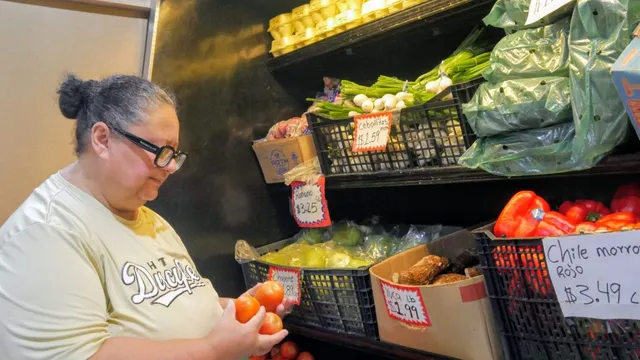
Inflation has a profound impact on food security, affecting both the availability and accessibility of food for populations worldwide. As inflation rises, the cost of food increases, which can lead to a decrease in purchasing power for consumers. This is particularly concerning for low-income households, who spend a larger proportion of their income on food. When food prices rise, these households may be forced to make difficult choices, such as reducing the quantity or quality of food they purchase, which can lead to malnutrition and other health issues. Furthermore, inflation can disrupt supply chains, leading to shortages and further price increases, exacerbating the challenges faced by vulnerable populations.
The relationship between inflation and food security is complex and influenced by various factors, including government policies, global market trends, and local agricultural conditions. For instance, when inflation is driven by increased demand for food or disruptions in supply due to natural disasters or geopolitical tensions, the effects can be particularly severe. In such scenarios, food prices can spike rapidly, outpacing wage growth and leaving many individuals and families unable to afford basic necessities. Additionally, inflation can lead to increased costs for farmers, who may struggle to maintain production levels, further impacting food availability in the market.
Addressing the impact of inflation on food security requires a multifaceted approach. Governments and policymakers must implement strategies to stabilize food prices and ensure that food remains accessible to all segments of the population. This may include subsidies for essential food items, support for local agriculture, and measures to enhance supply chain resilience. Furthermore, social safety nets, such as food assistance programs, can play a crucial role in protecting vulnerable populations from the adverse effects of inflation. By providing targeted support, these programs can help ensure that individuals and families have access to the nutrition they need, even in times of economic uncertainty.
In conclusion, the impact of inflation on food security is a critical issue that demands urgent attention. As inflation continues to pose challenges to food systems globally, it is essential for stakeholders to collaborate and develop effective solutions that prioritize food accessibility and affordability. By addressing the root causes of inflation and its effects on food security, we can work towards a more resilient and equitable food system that meets the needs of all individuals, regardless of their economic circumstances.