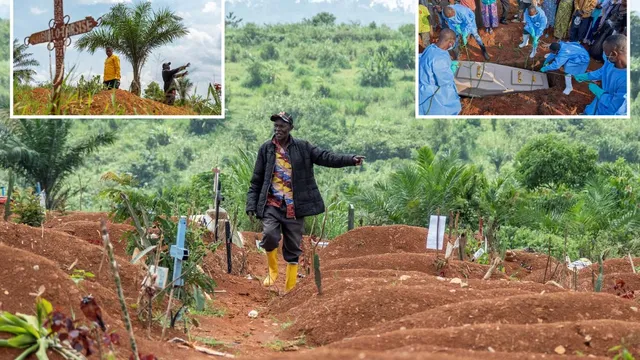
The impact of misinformation on the Ebola response in Congo has been profound and multifaceted, affecting public health efforts, community trust, and the overall effectiveness of containment strategies. Misinformation, often spread through social media and word of mouth, has led to confusion and fear among the population, undermining the efforts of health authorities and international organizations. In regions where Ebola outbreaks have occurred, false narratives about the disease, its transmission, and the efficacy of vaccines have proliferated, creating significant barriers to effective communication and public health interventions. This has resulted in increased resistance to health measures, such as vaccination campaigns and contact tracing, which are critical for controlling the spread of the virus.
The role of local communities in combating misinformation cannot be overstated. Community leaders and health workers are often the first point of contact for individuals seeking information about Ebola. When misinformation takes root, it can erode trust in these local figures, making it more challenging for them to disseminate accurate information and encourage compliance with health guidelines. Furthermore, the stigma associated with Ebola can be exacerbated by misinformation, leading to social isolation for affected individuals and families. This stigma not only affects those directly impacted by the virus but also discourages others from seeking help or reporting symptoms, further complicating containment efforts.
Efforts to counter misinformation have included targeted communication strategies that engage communities directly, utilizing trusted local voices to share accurate information about Ebola. Health authorities have recognized the importance of addressing misinformation head-on, employing social media campaigns and community outreach programs to clarify misconceptions and provide factual updates about the outbreak. These initiatives have shown promise in rebuilding trust and encouraging community participation in health measures. However, the rapid spread of misinformation continues to pose a significant challenge, necessitating ongoing vigilance and adaptability in communication strategies.
In conclusion, the impact of misinformation on the Ebola response in Congo highlights the critical need for effective communication in public health crises. Addressing misinformation is not merely a supplementary effort but a fundamental component of any successful response strategy. By fostering community engagement, leveraging local knowledge, and maintaining transparent communication, health authorities can mitigate the adverse effects of misinformation and enhance the overall effectiveness of their response to Ebola outbreaks. As the landscape of information continues to evolve, particularly with the rise of digital platforms, it is essential for public health initiatives to remain proactive in combating misinformation to safeguard public health and ensure the well-being of affected communities.