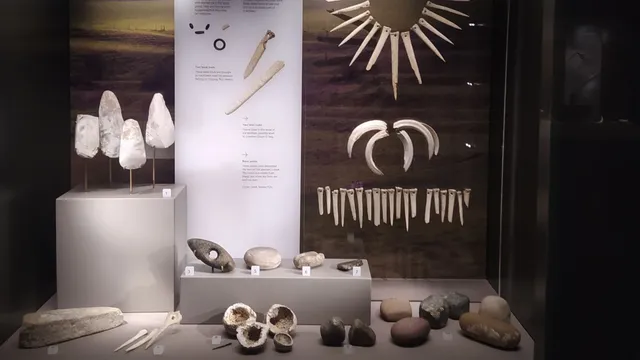
The Early Bronze Age, spanning approximately from 3300 to 1200 BCE, marked a significant transition in human societies, characterized by the development of metallurgy, urbanization, and complex social structures. During this period, gender roles began to take shape in ways that reflected the emerging socio-economic dynamics. Archaeological evidence suggests that while men often occupied roles associated with warfare, leadership, and heavy labor, women were frequently engaged in domestic tasks, textile production, and child-rearing. However, this division of labor was not absolute; women also participated in agricultural activities and could hold positions of power, particularly in matrilineal societies where lineage and inheritance were traced through the female line. This nuanced understanding of gender roles challenges the simplistic binary view of male dominance in ancient societies.
In many Early Bronze Age cultures, the roles of men and women were influenced by the economic demands of their communities. As agriculture became more prominent, the need for labor in the fields increased, leading to a more defined division of labor. Men typically took on physically demanding tasks such as plowing and herding, while women managed the household and engaged in food processing and storage. However, the rise of trade and the development of craft specialization allowed women to gain economic independence in some regions. Evidence from burial sites indicates that women could be interred with valuable goods, suggesting their roles extended beyond the domestic sphere and into the economic and social fabric of their communities.
Religious practices during the Early Bronze Age also played a crucial role in shaping gender roles. Many societies worshipped female deities associated with fertility, agriculture, and domesticity, which may have elevated the status of women in certain contexts. In some cultures, priestesses held significant power and influence, acting as intermediaries between the divine and the community. This spiritual authority could afford women a level of respect and autonomy that contrasted with their everyday roles. The presence of female figurines and symbols in archaeological finds further indicates that women were not merely passive figures but were integral to the spiritual and cultural life of their societies.
Overall, the Early Bronze Age presents a complex picture of gender roles that cannot be easily categorized. While there were distinct roles for men and women, the evidence suggests a degree of fluidity and variation across different cultures and regions. The interplay of economic, social, and religious factors contributed to a dynamic understanding of gender that allowed for both cooperation and conflict. As research continues to uncover more about this period, it becomes increasingly clear that gender roles in the Early Bronze Age were multifaceted and deeply embedded in the cultural practices of the time.