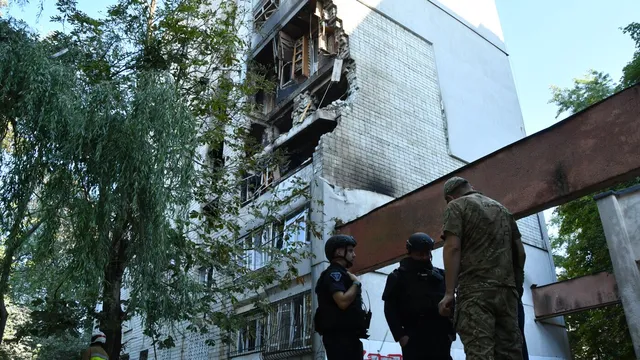
The conflict between Russia and Ukraine has its roots in a complex interplay of historical, political, and social factors. The tensions escalated significantly in 2014 when Russia annexed Crimea, a move widely condemned by the international community as a violation of international law. This annexation was followed by the outbreak of armed conflict in Eastern Ukraine, particularly in the Donetsk and Luhansk regions, where pro-Russian separatists declared independence. The situation has led to a humanitarian crisis, with thousands of casualties and millions displaced from their homes. The conflict has also strained relations between Russia and Western nations, resulting in economic sanctions against Russia and increased military support for Ukraine from NATO countries.
In the years following the annexation, various attempts at peace negotiations have been made, including the Minsk agreements, which aimed to establish a ceasefire and a framework for resolving the conflict. However, these agreements have seen limited success, with frequent violations and ongoing hostilities. The situation has been further complicated by Russia's military involvement, which has included the deployment of troops and military equipment to support separatist forces. This has raised concerns about regional stability and the potential for a broader conflict, as NATO has increased its presence in Eastern Europe in response to perceived threats from Russia.
The conflict has also had significant implications for Ukraine's domestic politics and economy. The war has fueled nationalism and a desire for closer ties with the West, leading to a shift in Ukraine's foreign policy. However, the ongoing conflict has also strained Ukraine's economy, which has struggled with the costs of war and the loss of industrial regions in the east. The Ukrainian government has implemented various reforms to strengthen its economy and governance, but progress has been slow, and corruption remains a significant challenge.
As of 2026, the conflict remains unresolved, with sporadic fighting continuing in Eastern Ukraine. The international community continues to call for a peaceful resolution, but the prospects for a lasting peace remain uncertain. The geopolitical landscape is further complicated by the broader rivalry between Russia and the West, with both sides entrenched in their positions. The situation in Ukraine serves as a critical flashpoint in international relations, highlighting the challenges of addressing territorial disputes and the importance of diplomatic efforts in resolving conflicts.