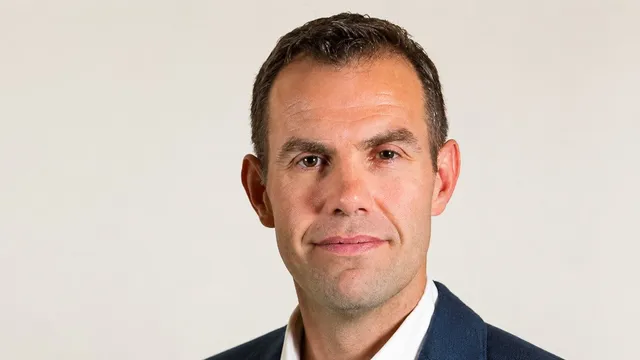
In Dublin, Ireland, Tom Shortt has been serving as the engineering director at Bristol Myers Squibb (BMS) for over nine years. His journey into engineering began much earlier, influenced by his early education and interests. Shortt emphasizes that his role has taught him valuable lessons about both engineering and people, as he interacts with a diverse range of customers, from large agricultural contractors to elderly farmers. His leadership style is rooted in technical expertise, operational discipline, and a commitment to empowering teams.
At the BMS Cruiserath Campus, Shortt oversees a wide array of responsibilities, including facilities management, utilities operations, manufacturing, laboratory maintenance, capital project delivery, site master planning, and validation activities. The engineering team also provides oversight for two additional BMS sites in Ireland, ensuring consistency and visibility across these operations. To manage this complexity, the engineering organization adheres to a robust governance framework, utilizing tools like A3 problem-solving for effective root-cause analysis and issue resolution.
Although the engineering team does not directly manufacture BMS products, their work significantly impacts patient outcomes. When engineering systems function as intended, the likelihood of producing consistent outputs that lead to effective medicines for patients increases. Shortt expresses gratitude for his strong engineering team, which resolves many day-to-day scheduling, resourcing, and technical decisions close to the work, fostering a culture of empowerment.
As a member of the Cruiserath Campus senior leadership team, Shortt's role extends beyond engineering. He actively participates in strategic discussions and decisions that shape the future of the organization. He finds fulfillment in overcoming significant technical and organizational challenges, noting that successful delivery reinforces the importance of a well-coordinated engineering effort in launching new medicines for patients with unmet medical needs.