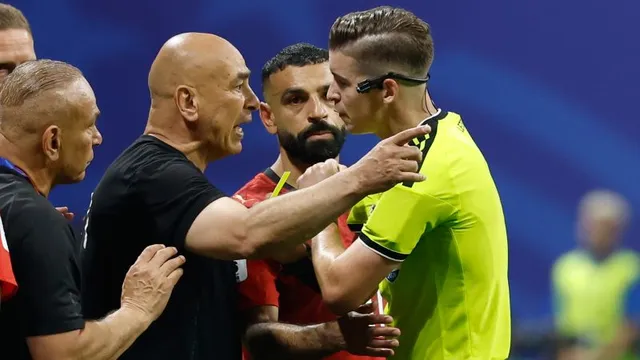
In the recent World Cup match held in Atlanta, Egypt faced Argentina in a Round of 16 clash. The match began positively for Egypt, who took an early lead with a goal in the 15th minute. However, the game turned controversial when the Egyptian team claimed they were denied a penalty that could have changed the outcome. The referee's decisions, particularly regarding a second potential penalty, sparked outrage among the Egyptian players and coaching staff. Following the match, Egypt's soccer federation publicly expressed their dissatisfaction and called for FIFA to investigate the officiating team, suggesting that the decisions were unjust and influenced by external factors. This incident highlights the ongoing tensions between sports and politics, as officials are often caught in the crossfire of national pride and expectations. The match not only showcased the talents of players like Lionel Messi and Mohamed Salah but also raised questions about the integrity of officiating in high-stakes games. The aftermath of the match has left Egypt feeling wronged, with calls for accountability from FIFA, emphasizing the need for fair play and respect in international competitions. The situation reflects a broader concern about the role of referees in the game and the pressures they face from various stakeholders, including politicians who may seek to leverage sporting outcomes for their agendas.