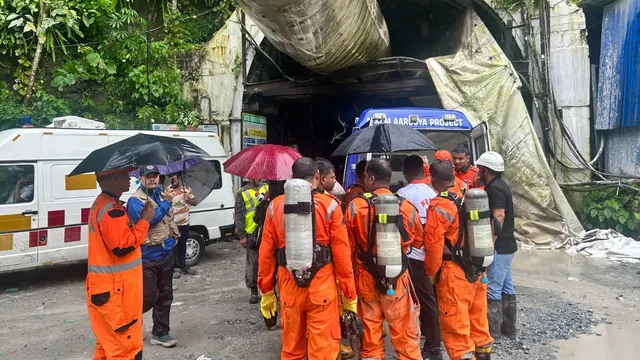
Hydropower projects in India play a crucial role in the country's energy landscape, contributing significantly to renewable energy generation. However, the implementation of these projects comes with inherent risks that necessitate stringent safety measures to protect both human lives and the environment. The safety measures in hydropower projects encompass a range of strategies, including risk assessment, engineering controls, and emergency preparedness, all aimed at mitigating potential hazards associated with dam failures, flooding, and other operational risks. Ensuring the structural integrity of dams and associated infrastructure is paramount, as even minor failures can lead to catastrophic consequences downstream, affecting communities and ecosystems alike.
One of the primary safety measures involves conducting comprehensive risk assessments before the initiation of hydropower projects. This process includes evaluating geological conditions, hydrological data, and potential environmental impacts. By identifying vulnerabilities early on, project planners can implement design modifications and choose appropriate construction materials that enhance the resilience of the infrastructure. Additionally, regular inspections and maintenance of existing facilities are essential to ensure that any signs of wear or damage are addressed promptly, thereby preventing accidents that could arise from neglect.
Moreover, the implementation of advanced monitoring technologies has become increasingly important in enhancing safety in hydropower projects. Real-time monitoring systems can track water levels, structural integrity, and seismic activity, providing critical data that can inform operational decisions. In the event of an emergency, having a well-defined emergency response plan is vital. This plan should include clear communication protocols, evacuation routes, and coordination with local authorities to ensure a swift and effective response to any incidents that may arise.
In conclusion, the safety measures in hydropower projects in India are essential for safeguarding lives and the environment. By prioritizing risk assessments, maintaining infrastructure, utilizing advanced monitoring technologies, and preparing for emergencies, stakeholders can significantly reduce the risks associated with hydropower generation. As India continues to expand its renewable energy portfolio, it is imperative that safety remains at the forefront of hydropower project planning and execution, ensuring that these projects contribute positively to the nation's energy needs without compromising safety.