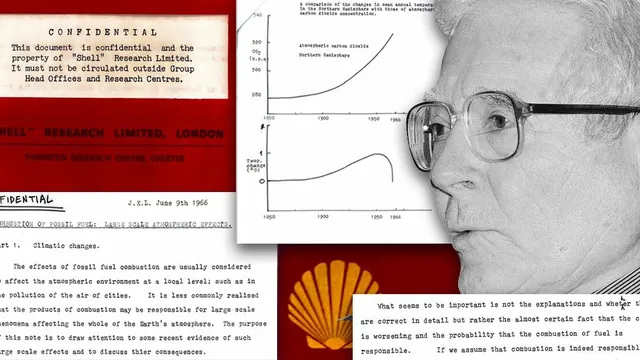
In December 2025, a civil lawsuit was filed at the Royal Court of Justice in London, alleging that Shell's activities contributed to the severity of Typhoon Rai, known locally as Typhoon Odette in the Philippines. The lawsuit claims that Shell has been aware since the mid-1960s that the combustion of fossil fuels was a primary driver of climate change, yet it failed to disclose this information to the public. The case highlights the direct impacts of oil and gas companies on vulnerable communities worldwide, particularly in light of Shell's significant contribution to historical greenhouse gas emissions.
The lawsuit is based on a series of secret reports commissioned by Shell from British scientist James Lovelock, who warned in 1966 about the worsening climate and the role of fossil fuel combustion. Lovelock's findings indicated that the products of combustion could have large-scale atmospheric effects, and he expressed concerns about the potential consequences of air pollution. Despite this knowledge, Shell is accused of undermining the scientific consensus on climate change and contributing to climate denial.
Shell's early knowledge of climate impacts is now under scrutiny as the lawsuit seeks to hold the company accountable for its role in exacerbating extreme weather events. The plaintiffs argue that Shell's actions have directly affected vulnerable communities, particularly in the Philippines, where Typhoon Rai caused significant destruction. The case represents a growing trend of legal actions against fossil fuel companies for their contributions to climate change and its associated impacts.
As the lawsuit unfolds, it raises important questions about corporate responsibility and the ethical obligations of companies in the fossil fuel industry. The outcome could set a precedent for future legal actions against other oil and gas companies, emphasizing the need for transparency and accountability in addressing climate change. The revelations from Lovelock's reports and the ongoing legal battle highlight the urgent need for action to mitigate the effects of climate change and protect vulnerable populations from its consequences.