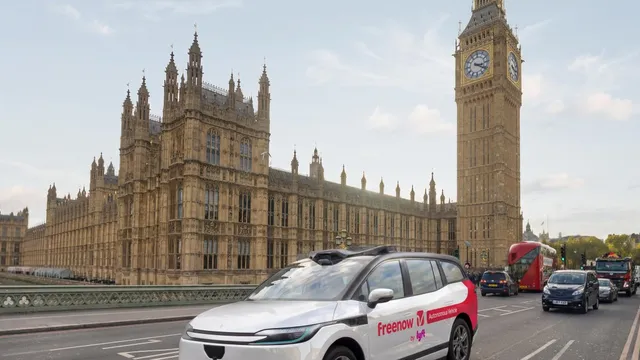
Lyft and Baidu launch autonomous vehicle testing in London
technology
innovative
informative

Lyft and Baidu launch autonomous vehicle testing in London

12
(Update: )
American transportation network company
Chinese web services company
capital and largest city of the United Kingdom
country in north-west Europe
autonomous car technology company
  • Lyft and Baidu have started testing autonomous vehicles in Brent, London.
  • The vehicles will initially operate with safety drivers while being designed for fully driverless operations.
  • This testing phase marks a significant step in the UK's push for autonomous ride-hailing services.
Share opinion
1

Story

In the United Kingdom, Lyft and Baidu have commenced testing their autonomous vehicles in the neighborhood of Brent, London. This initiative follows the UK government's recent decision to permit autonomous ride-hailing vehicles, which has opened the door for various companies to explore this innovative transportation method. Lyft and Baidu's vehicles will initially operate with safety drivers on board, although they are designed for fully driverless operations in the future. Other companies, including Uber, Wayve, and Waymo, have also expressed intentions to launch similar services in London, indicating a growing interest in autonomous ride-hailing technology in the region. The testing phase is crucial for both Lyft and Baidu as they aim to gather data and refine their technology in a real-world environment. The presence of safety drivers during this initial phase is a standard practice in the industry, ensuring that human oversight is available while the vehicles navigate urban settings. This cautious approach reflects the companies' commitment to safety and regulatory compliance as they work towards achieving fully autonomous operations. The UK has become a focal point for autonomous vehicle development, attracting significant investment and interest from tech companies and automotive manufacturers alike. The government's supportive stance on autonomous technology is seen as a strategic move to position the UK as a leader in the future of transportation. As more companies enter the market, competition is expected to intensify, potentially leading to rapid advancements in technology and service offerings. As Lyft and Baidu proceed with their testing, the outcomes will likely influence public perception and regulatory frameworks surrounding autonomous vehicles. Successful trials could pave the way for broader adoption of driverless technology, transforming the landscape of urban mobility. The collaboration between Lyft and Baidu also highlights the importance of partnerships in the tech industry, as companies leverage each other's strengths to accelerate innovation and deployment of new technologies.

Context

The impact of autonomous vehicles (AVs) on urban mobility is a multifaceted topic that encompasses technological advancements, societal changes, and environmental considerations. As cities around the world grapple with increasing congestion, pollution, and the need for efficient transportation systems, the introduction of AVs presents both opportunities and challenges. These vehicles, equipped with advanced sensors and artificial intelligence, promise to enhance road safety by reducing human error, which is a leading cause of traffic accidents. Furthermore, AVs can optimize traffic flow through real-time data analysis, potentially decreasing travel times and improving the overall efficiency of urban transport networks. One of the most significant implications of AVs is their potential to reshape urban infrastructure and land use. With the advent of self-driving technology, the need for extensive parking facilities may diminish, allowing cities to repurpose these spaces for parks, housing, or commercial developments. This shift could lead to more walkable urban environments, fostering community interaction and reducing reliance on personal vehicles. Additionally, AVs can facilitate greater accessibility for individuals with disabilities or those unable to drive, thereby promoting inclusivity in urban mobility. However, the transition to a future dominated by AVs is not without its challenges. Regulatory frameworks must evolve to address the complexities of AV integration into existing traffic systems. Issues such as liability in the event of accidents, cybersecurity threats, and the ethical implications of decision-making algorithms require careful consideration. Moreover, there is a risk that the widespread adoption of AVs could lead to increased vehicle miles traveled, as the convenience of on-demand transportation may encourage more people to use cars rather than public transit, potentially exacerbating urban congestion and environmental issues. In conclusion, the impact of autonomous vehicles on urban mobility is profound and far-reaching. While they offer the promise of safer, more efficient, and accessible transportation, careful planning and regulation are essential to mitigate potential downsides. As cities continue to evolve in response to technological advancements, the successful integration of AVs will depend on a collaborative approach involving policymakers, urban planners, and the public to ensure that the benefits of this technology are realized while minimizing its challenges.