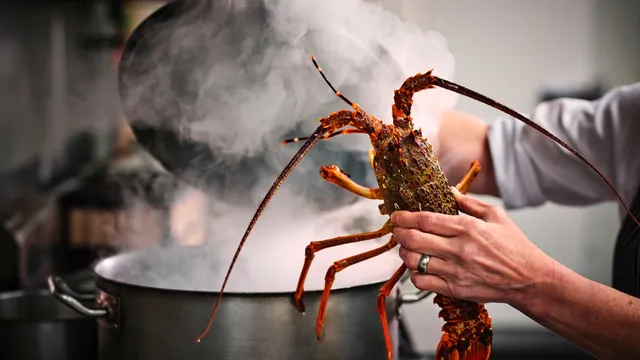
In New Zealand, the Māori people have a deep connection to their food, which is often described as a feeling and a memory. This relationship with food is intricately tied to Papatūānuku, or Mother Earth, emphasizing the importance of land and nature in Māori culture. The Māori communities have historically lived in harmony with their environment, utilizing the natural resources available to them. They have developed a unique culinary tradition that reflects the seasonal availability of ingredients, as well as the influence of lunar and solar cycles on food harvesting. For instance, fishing success is often linked to the correct moon cycle and tide, showcasing the Māori understanding of natural rhythms. A staple dish in Māori cuisine is the hearty stew known as a 'boil up,' which typically includes pork bones, puha, and seafood, served alongside rēwena bread. The hāngī cooking method, which involves cooking food in a hot stone oven, is particularly significant in Māori culture and is often used during community gatherings and special occasions. This technique not only highlights traditional cooking methods but also serves as a means of storytelling and cultural expression. The arrival of European colonizers in the 1800s brought significant changes to Māori food practices, introducing new ingredients and cooking methods that blended with indigenous traditions. As a result, modern Māori cuisine reflects a fusion of historical and contemporary influences, with chefs like Rewi Spraggon honoring ancestral techniques while also incorporating European flavors into their offerings. This evolution of Māori food illustrates the resilience and adaptability of Māori culture in the face of external influences, while still maintaining a strong connection to their roots and the land.