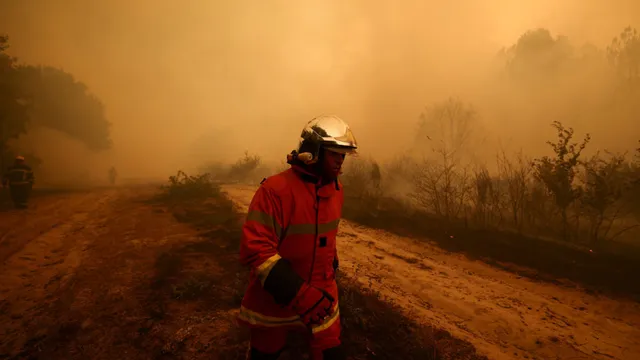
Climate change has emerged as a significant factor influencing the frequency and intensity of wildfires across Europe. Rising temperatures, prolonged droughts, and shifting precipitation patterns have created an environment conducive to wildfires. The Mediterranean region, in particular, has experienced an increase in fire-prone conditions, with summers becoming hotter and drier. This trend is expected to continue, leading to a higher likelihood of wildfires that can devastate ecosystems, threaten biodiversity, and impact human health and safety. The interplay between climate change and wildfires is complex, as factors such as land management practices and urban development also contribute to fire risk.
The impact of climate change on wildfires is not uniform across Europe. Southern European countries, including Spain, Italy, and Greece, are particularly vulnerable due to their Mediterranean climate, which is characterized by hot, dry summers. These regions have seen a marked increase in the number of wildfires, with some areas experiencing a doubling of fire incidents over the past few decades. Conversely, northern European countries, while historically less affected by wildfires, are beginning to see an uptick in fire activity as temperatures rise and vegetation becomes more flammable. This shift underscores the need for a comprehensive understanding of how climate change is reshaping fire dynamics across the continent.
The consequences of increased wildfire activity are profound. Wildfires not only destroy vast areas of forest and wildlife habitat but also release significant amounts of carbon dioxide and other greenhouse gases into the atmosphere, further exacerbating climate change. The economic impact is also substantial, with costs associated with firefighting efforts, property damage, and loss of agricultural productivity. Additionally, wildfires pose serious health risks due to smoke inhalation, which can lead to respiratory issues and other health problems for affected populations. The social implications are equally concerning, as communities may face displacement and loss of livelihoods due to fire damage.
To mitigate the impact of climate change on wildfires, proactive measures are essential. This includes implementing effective land management strategies, such as controlled burns and creating firebreaks, to reduce fuel loads in fire-prone areas. Additionally, enhancing community preparedness and response plans can help minimize the risks associated with wildfires. Policymakers must also prioritize climate adaptation strategies that address the underlying causes of climate change, such as reducing greenhouse gas emissions and promoting sustainable land use practices. By taking a comprehensive approach, Europe can better prepare for the challenges posed by climate change and its impact on wildfires.