Germany has a complex history of military conscription that reflects its political, social, and military evolution over the years. The roots of conscription in Germany can be traced back to the early 19th century, particularly during the Napoleonic Wars when the Prussian military introduced a system of compulsory military service. This system was designed to create a larger, more effective army and was formalized in the 1814 Prussian military reforms. The concept of conscription gained traction across the German states, leading to the establishment of a unified conscription system after the unification of Germany in 1871. The German Empire adopted a mandatory military service law, which required young men to serve in the military for a specified period, typically three years, followed by several years in the reserve forces. This system was instrumental in building a powerful military that played a significant role in both World Wars.
Following World War I, the Treaty of Versailles imposed severe restrictions on the German military, including limitations on the size of the army and the abolition of conscription. However, the rise of the Nazi regime in the 1930s led to the reintroduction of conscription as part of its militaristic policies. The regime expanded the conscription period and increased the number of recruits, which contributed to the rapid militarization of Germany and its aggressive expansionist policies leading up to and during World War II. After the war, Germany was divided into East and West, and both states adopted different approaches to military service. West Germany, as a member of NATO, reinstated conscription in 1956, requiring young men to serve for 18 months, while East Germany maintained a similar system aligned with its socialist ideology.
The end of the Cold War and the reunification of Germany in 1990 brought significant changes to the conscription system. In the years following reunification, there was a growing debate about the relevance of conscription in a changing security environment. In 2011, the German government suspended conscription, transitioning to a professional volunteer army. This decision reflected a shift in military strategy and the recognition that a smaller, well-trained professional force could better meet the demands of modern warfare. The suspension of conscription was met with mixed reactions, with some arguing that it undermined the sense of civic duty and national service, while others welcomed the move towards a more flexible and modern military structure.
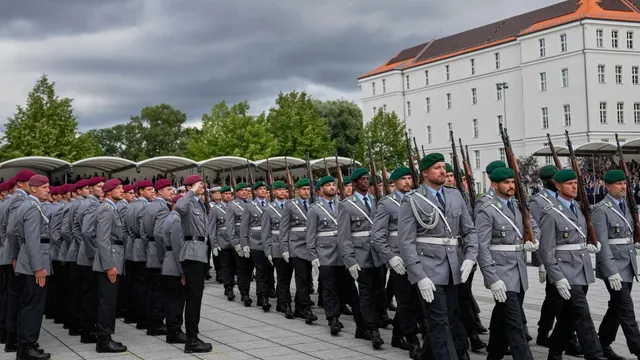
Today, Germany's military is composed primarily of professional soldiers, with voluntary service options available for those who wish to serve. The debate over the potential reintroduction of conscription continues, particularly in light of evolving security threats in Europe and the need for a robust defense posture. The historical context of military conscription in Germany illustrates the interplay between military needs, societal values, and political decisions, shaping the country's approach to defense and national service over the decades. As Germany navigates its role in international security, the lessons learned from its conscription history will undoubtedly influence future discussions on military service and readiness.