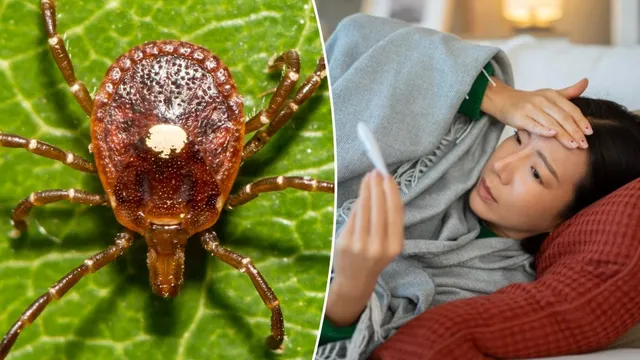
In 2021, Michael Larkin, a 67-year-old man, was bitten by two lone star ticks while working outdoors in Suffolk County, New York, leading to his infection with the Bourbon virus. This virus, which has no vaccine or commercial test available, presents symptoms similar to other tick-borne illnesses, including fatigue, rash, body aches, nausea, and vomiting. Larkin spent five days in the hospital but ultimately made a full recovery. However, the Bourbon virus has been confirmed in very few cases across Kansas, Oklahoma, and Missouri, where it is more prevalent, averaging less than one case per year. Experts believe that the virus may be more widespread than currently recognized, indicating that many cases could go undiagnosed. The Bourbon virus is named after Bourbon County in Kansas, where it was first identified, and is transmitted by lone star ticks, which are known for their aggressive nature and distinctive white dot on their backs. These ticks thrive in wooded areas, tall grass, and brush, and their populations are increasing due to factors such as milder winters and longer warm seasons, which allow them to spread further north. The relationship between lone star ticks and white-tailed deer is significant, as more deer lead to more ticks. In addition to Bourbon virus, lone star ticks can also cause alpha-gal syndrome, resulting in a lifelong allergy to meat and dairy, and ehrlichiosis, a bacterial infection with flu-like symptoms. The increasing presence of lone star ticks in New York and the Northeast raises concerns about the potential for more cases of Bourbon virus and other tick-borne diseases. It is crucial for health officials to understand the true impact of the virus in high-risk areas to better protect the public. To minimize the risk of tick bites, individuals are advised to avoid grassy, brushy, and wooded areas.