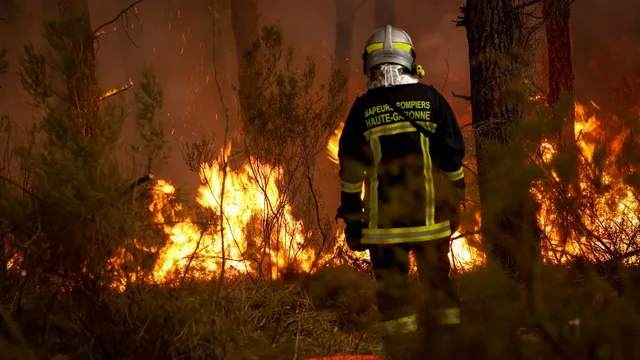
In July 2026, Europe faced severe wildfires, particularly affecting France and Spain, where around 220,000 people were evacuated. Fires near Bordeaux in France and in regions like Madrid, Ávila, and Toledo in Spain burned vast areas, with over 111,000 acres affected. Experts noted that this year's conditions were driven by multiple heat waves and severe drought, which have made wildfires more dangerous. While wildfires are a natural occurrence, the intensity and frequency have increased due to climate change, leading to more extreme fire conditions across regions that previously considered such events rare.
Portugal also experienced significant wildfires, with over 1,200 firefighters deployed to combat blazes in the Vouzela area. In Greece, two people died due to a wildfire near Thessaloniki, prompting evacuations in nearby villages. The National Fire Chiefs Council in Britain reported 19 wildfires in mid-July, attributing the increased risk to prolonged hot and dry weather. The U.S. and Canada also reported substantial wildfire activity, with over 4 million acres burned in the U.S. and more than 900 active fires in Canada.
Experts, including AccuWeather meteorologist Brandon Buckingham, emphasized that while human activity contributes to wildfires, the primary cause of the current extreme conditions is the hot and dry summer weather. The drought conditions in France and Spain are comparable to the historic dry conditions of 2022, indicating a worrying trend in climate patterns. The situation is exacerbated by climate change, which is making these extreme weather events more likely and intense.
As wildfires continue to rage across various regions, the implications for communities, ecosystems, and firefighting resources are significant. The need for effective land management, improved firefighting capacity, and public awareness about the risks associated with climate change is more critical than ever. The ongoing situation serves as a stark reminder of the urgent need to address climate change and its impacts on natural disasters.