Romania scrambles jets as Russian drones invade its airspace
military conflicts
impactful

Romania scrambles jets as Russian drones invade its airspace

10
(Update: )
Ukrainian island in the Black Sea
sovereign state in Eastern Europe and Northern Asia
intergovernmental military alliance between 31 member states
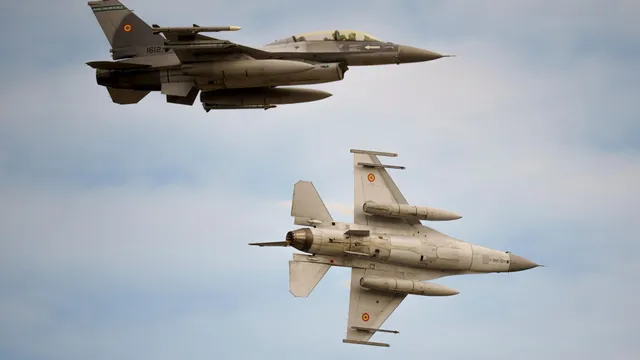
  • Romania scrambled fighter jets in response to aerial threats near Snake Island.
  • The military action follows recent violations of Romanian airspace by Russian drones.
  • Romania's government is urging NATO to enhance military presence in response to these provocations.
Share opinion
1

Story

Romania has been facing increasing aerial threats near its borders, particularly around Snake Island, which is located near Ukraine. On Wednesday, July 29, 2026, the Romanian Ministry of National Defense announced that it had scrambled fighter jets in response to detected air targets approximately 12 miles northwest of Snake Island. This military action follows a series of incidents where Russian drones violated Romanian airspace, with three drones shot down just days prior. The Romanian government has expressed its commitment to defending its sovereignty and airspace, emphasizing the seriousness of these provocations from Russia. The recent drone incursions have raised significant concerns among NATO allies, as Romania's airspace is also considered NATO airspace. Romanian President Nicusor Dan condemned the violations, stating that such actions are intolerable and unacceptable. He highlighted the need for a collective response from NATO to address these ongoing threats. The Romanian Defense Minister, Radu Miruță, echoed these sentiments, asserting that Romania will continue to firmly defend its airspace and sovereignty. In the wake of these incidents, Romania has reported over 30 incursions by Russian drones since the onset of the conflict in Ukraine in February 2022. The Romanian government has been proactive in urging NATO to enhance its military presence in the region, advocating for the fast-tracking of plans to deploy additional military equipment on Romanian territory. NATO has acknowledged the situation, stating that it is actively acquiring ground-based interceptors to bolster air defense capabilities for both allied and national security. The ongoing drone attacks have not yet been classified as direct attacks on NATO, which has prevented formal discussions regarding a collective response. However, the persistent nature of these incursions has prompted NATO countries along the eastern flank to strengthen their anti-drone defenses. The situation remains tense, with Romania taking significant steps to ensure the safety and security of its airspace while navigating the complexities of international relations with Russia.

Context

In recent years, the issue of drone incursions has become increasingly significant for NATO, particularly in Romania, a member state that has been strategically positioned in Eastern Europe. The rise in drone activity, often linked to geopolitical tensions in the region, has raised concerns about national security and the integrity of airspace. Romania's geographical location makes it a critical point for monitoring and responding to potential threats, especially given its proximity to areas of conflict and instability. NATO's response to these incursions is not only a matter of national defense but also a demonstration of collective security commitments among member states. The alliance has been actively engaged in enhancing its surveillance capabilities and improving coordination among its members to address these challenges effectively. The Romanian government has taken proactive measures to address the threat posed by unauthorized drone flights. This includes increasing the capabilities of its air defense systems and collaborating with NATO to ensure that its airspace is adequately monitored. Joint exercises and training programs have been implemented to prepare for potential scenarios involving drone incursions. Furthermore, Romania has sought to strengthen its partnerships with neighboring countries to create a unified front against aerial threats. The importance of intelligence sharing and real-time data exchange among NATO allies has been emphasized to enhance situational awareness and response times in the event of an incursion. NATO's strategic response to drone incursions in Romania also involves the development of new technologies and tactics to counteract these threats. The alliance has invested in advanced drone detection systems and counter-drone technologies that can neutralize unauthorized aerial vehicles. This technological advancement is crucial in maintaining air superiority and ensuring the safety of both military and civilian air traffic. Additionally, NATO has been working on establishing clear protocols for engagement when drones are detected, balancing the need for security with the principles of proportionality and restraint in military operations. In conclusion, the response to drone incursions in Romania is a multifaceted issue that encompasses national security, technological innovation, and international cooperation. As drone technology continues to evolve, NATO's approach must adapt to effectively mitigate the risks associated with these incursions. The alliance's commitment to collective defense and the protection of its member states remains paramount, and ongoing efforts to enhance surveillance, improve air defense capabilities, and foster collaboration among allies will be essential in addressing the challenges posed by drone activity in the region.