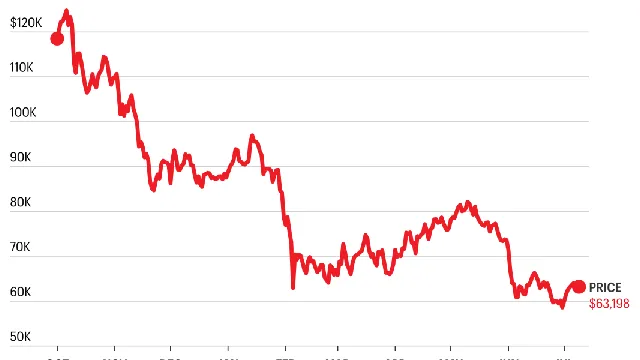
The impact of inflation on Bitcoin price has been a subject of considerable interest among economists, investors, and cryptocurrency enthusiasts. Inflation, defined as the rate at which the general level of prices for goods and services rises, erodes purchasing power and can lead to a variety of economic consequences. In recent years, particularly during periods of high inflation, Bitcoin has been viewed by some as a hedge against inflation, similar to gold. This perception stems from Bitcoin's limited supply, capped at 21 million coins, which contrasts sharply with fiat currencies that can be printed in unlimited quantities by central banks. As inflation rises, the purchasing power of fiat currencies declines, leading investors to seek alternative stores of value, such as Bitcoin, which can drive up its price.
The relationship between inflation and Bitcoin price is not straightforward, as various factors influence market dynamics. For instance, during times of economic uncertainty or geopolitical tensions, investors may flock to Bitcoin as a safe haven asset, further increasing its demand and price. Additionally, the correlation between Bitcoin and traditional financial markets can fluctuate, with Bitcoin sometimes acting independently of stock market trends. This unique behavior can make it challenging to predict Bitcoin's price movements solely based on inflation rates. However, historical data suggests that significant inflationary periods have often coincided with bullish trends in Bitcoin's price, as more investors turn to cryptocurrencies to preserve their wealth.
Moreover, the role of institutional investors cannot be overlooked in the context of inflation and Bitcoin. In recent years, large corporations and institutional funds have begun to allocate portions of their portfolios to Bitcoin, viewing it as a strategic asset in an inflationary environment. This institutional interest has contributed to increased legitimacy and stability in the cryptocurrency market, potentially leading to higher prices. As more institutional players enter the market, the demand for Bitcoin may rise, particularly during inflationary periods when traditional assets may underperform. This shift in investor behavior highlights the evolving perception of Bitcoin as not just a speculative asset but also a viable alternative for wealth preservation.
In conclusion, while the impact of inflation on Bitcoin price is complex and influenced by a multitude of factors, the general trend suggests that rising inflation can lead to increased interest and investment in Bitcoin. As more individuals and institutions seek to protect their assets from the eroding effects of inflation, Bitcoin's role as a hedge may become more pronounced. However, it is essential for investors to remain cautious and consider the inherent volatility of cryptocurrencies, as price fluctuations can be significant and unpredictable. Understanding the broader economic context and the interplay between inflation and Bitcoin will be crucial for making informed investment decisions in the future.