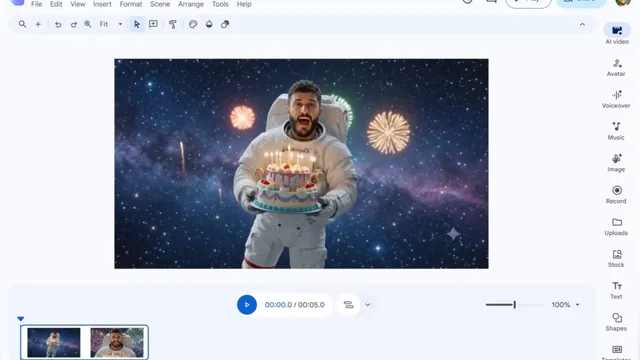
The impact of AI-generated content on digital media has been profound and multifaceted, reshaping how information is created, disseminated, and consumed. As artificial intelligence technologies have advanced, they have enabled the generation of high-quality content at an unprecedented scale and speed. This has led to a significant transformation in various sectors, including journalism, marketing, and entertainment. AI-generated content can range from automated news articles to personalized marketing messages, and its ability to analyze vast amounts of data allows for the creation of tailored content that resonates with specific audiences. However, this rapid evolution raises important questions about authenticity, quality, and the ethical implications of relying on machines for content creation.
One of the most notable effects of AI-generated content is the democratization of content creation. Individuals and small businesses can now leverage AI tools to produce professional-grade content without the need for extensive resources or expertise. This has lowered the barriers to entry in digital media, allowing a more diverse range of voices and perspectives to emerge. However, the proliferation of AI-generated content also poses challenges, such as the potential for misinformation and the dilution of human creativity. As algorithms become more sophisticated, distinguishing between human-created and AI-generated content can become increasingly difficult, leading to concerns about trust and credibility in digital media.
Moreover, the rise of AI-generated content has significant implications for employment within the creative industries. While AI can enhance productivity and efficiency, it also raises fears of job displacement for content creators, journalists, and marketers. As organizations adopt AI tools to streamline their operations, there is a growing need for professionals who can work alongside these technologies, focusing on strategy, oversight, and the human touch that AI cannot replicate. This shift necessitates a reevaluation of skill sets and training programs to prepare the workforce for a future where AI plays a central role in content creation.
In conclusion, the impact of AI-generated content on digital media is both transformative and complex. While it offers opportunities for innovation and inclusivity, it also presents challenges that must be addressed to ensure the integrity and quality of information. As we navigate this evolving landscape, it is crucial for stakeholders, including content creators, consumers, and policymakers, to engage in ongoing discussions about the ethical use of AI in media. By fostering a collaborative approach that values both technological advancement and human creativity, we can harness the potential of AI-generated content while safeguarding the principles of authenticity and trust that underpin effective communication.