Ebola outbreak kills nearly 1,000 in Democratic Republic of the Congo
lifestyle
tragic
catastrophic

Ebola outbreak kills nearly 1,000 in Democratic Republic of the Congo

61
(Update: )
country in Central Africa
country in north-west Europe
  • The Democratic Republic of the Congo has reported nearly 1,000 deaths from the Ebola outbreak since it was declared in May 2023.
  • Local resistance and health worker strikes have severely hampered response efforts, leading to increased transmission rates.
  • If not contained, this outbreak could become one of the worst in history, prompting urgent calls for international support.
Share opinion
6

Story

The Democratic Republic of the Congo is currently facing the fastest-growing Ebola outbreak in history, which was declared on May 15, 2023. As of the latest reports, there have been 2,473 confirmed cases and 999 deaths attributed to the Bundibugyo strain of the virus. The outbreak has been exacerbated by local resistance to health workers, who have faced violence and community pushback, particularly regarding safe burial practices. Many health workers have also gone on strike due to unpaid labor, further complicating the response efforts. The World Health Organization has indicated that the outbreak is outpacing response efforts, with a significant number of cases going unmonitored and community deaths occurring before patients can receive care. The situation is dire, as the outbreak has spread rapidly, with 80% of new cases emerging from unknown transmission chains. The lack of approved vaccines or treatments for the Bundibugyo strain has made containment efforts particularly challenging. The Congolese government and health officials are struggling to keep up with the epidemic, which is primarily concentrated in the eastern Ituri province, an area already affected by ongoing conflict. The community's resistance to health interventions, including safe burials, has led to increased transmission rates, as traditional burial practices pose a significant risk of spreading the virus. International aid has been slow to materialize, with the World Health Organization reporting that it has received less than half of the $115 million needed to effectively address the outbreak. The European Union and the United States have pledged financial support, but the situation remains critical. Health officials have warned that if the outbreak is not contained soon, it could become one of the worst Ebola outbreaks ever documented. The urgency of the situation has prompted calls for immediate action to mobilize resources and strengthen the response on the ground. As the outbreak continues to escalate, the health ministry in the Democratic Republic of the Congo is working to improve monitoring and response efforts. However, the challenges posed by community resistance, lack of resources, and ongoing conflict complicate these efforts. The international community is being urged to take swift action to prevent further loss of life and to support the Congolese health system in its fight against this deadly virus.

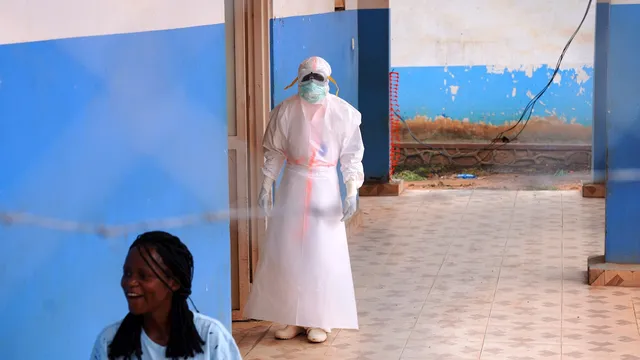
Context

The Ebola outbreak response efforts in the Democratic Republic of the Congo (DRC) have been a critical focus for public health authorities and international organizations. The DRC has experienced multiple outbreaks of Ebola since the virus was first identified in 1976, with the most recent significant outbreak occurring in 2020. The response to these outbreaks has involved a coordinated effort between the DRC government, the World Health Organization (WHO), Médecins Sans Frontières (MSF), and various non-governmental organizations (NGOs). These efforts have included rapid identification of cases, contact tracing, and the establishment of treatment centers to provide care for those infected with the virus. Vaccination campaigns using the rVSV-ZEBOV vaccine have also been a cornerstone of the response strategy, significantly reducing the spread of the virus among high-risk populations. In addition to immediate medical responses, the DRC's Ebola outbreak response has emphasized community engagement and education. Local communities have been integral to the success of containment efforts, as they play a vital role in reporting cases and adhering to health guidelines. Health workers have conducted outreach programs to educate the public about the symptoms of Ebola, the importance of seeking medical attention, and the benefits of vaccination. This community-based approach has helped to build trust and encourage cooperation, which is essential in a region where fear and misinformation can hinder response efforts. The logistical challenges of responding to Ebola outbreaks in the DRC cannot be overstated. The country's vast and often inaccessible terrain complicates the delivery of medical supplies and personnel to affected areas. Furthermore, the ongoing political instability and conflict in certain regions can disrupt response efforts and pose risks to health workers. To address these challenges, the response has included the establishment of mobile clinics and the use of local health workers who are familiar with the terrain and the communities they serve. These strategies have proven effective in reaching remote populations and ensuring that they receive timely medical care. Despite the progress made in controlling Ebola outbreaks in the DRC, significant challenges remain. The potential for future outbreaks persists, necessitating ongoing vigilance and preparedness. Continued investment in health infrastructure, training of health workers, and community education is essential to enhance the resilience of the healthcare system. Moreover, international collaboration and funding are crucial to support these efforts and ensure that the DRC is equipped to respond swiftly and effectively to any future Ebola outbreaks. The lessons learned from past outbreaks will be invaluable in shaping future response strategies and improving public health outcomes in the region.