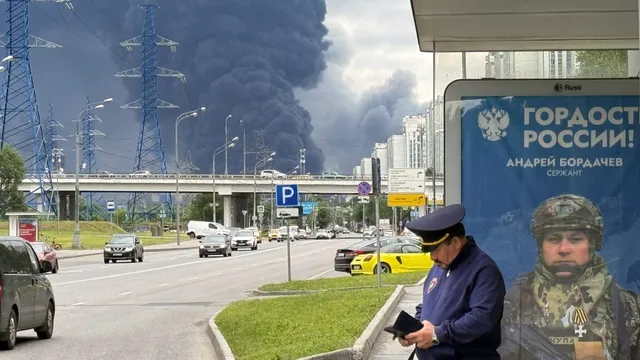
The ongoing conflict in Ukraine has had profound implications for the Russian economy, reshaping its landscape in various dimensions. Since the onset of the war, Russia has faced a series of international sanctions aimed at crippling its economic capabilities. These sanctions have targeted key sectors, including finance, energy, and trade, leading to a significant contraction in foreign investment and a decline in the value of the ruble. The restrictions imposed by Western nations have also resulted in a loss of access to advanced technologies and markets, further exacerbating the economic challenges faced by Russia. As a consequence, the country has been forced to pivot towards alternative markets, particularly in Asia, to mitigate the impact of these sanctions and sustain its economic activities.
In addition to sanctions, the war has disrupted traditional trade routes and supply chains, leading to increased costs and inefficiencies within the Russian economy. The agricultural sector, which has historically been a stronghold for Russia, has also been affected, as the conflict has hindered exports and created uncertainty in production. The energy sector, a critical component of the Russian economy, has seen fluctuations in demand and prices, particularly as Europe seeks to reduce its dependence on Russian gas and oil. This shift has prompted Russia to seek new partnerships and markets, particularly in China and India, but the transition has not been seamless and has introduced new vulnerabilities.
The social ramifications of the war have also contributed to economic instability. The mobilization of resources for military efforts has diverted funds from essential public services, leading to a decline in living standards for many Russians. Inflation has surged, driven by supply chain disruptions and increased military spending, which has further strained household budgets. The public sentiment towards the war and its economic consequences has led to a growing discontent among the population, which could have long-term implications for political stability and economic recovery.
Looking ahead, the future of the Russian economy remains uncertain. While the government has implemented measures to stabilize the economy, such as increasing domestic production and seeking new trade partnerships, the long-term effects of the war and sanctions will likely continue to pose significant challenges. The reliance on a limited number of markets and the ongoing geopolitical tensions could hinder Russia's ability to fully recover and diversify its economy. As the situation evolves, it will be crucial for policymakers to navigate these complexities to foster resilience and adaptability in the face of ongoing adversity.