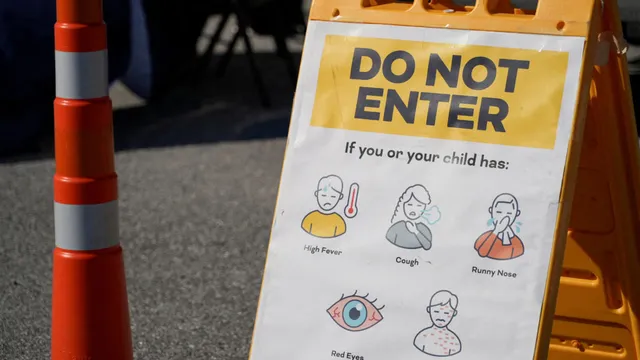
Vaccination has long been recognized as a critical public health intervention in controlling infectious diseases, particularly measles. The impact of vaccination rates on measles outbreaks is profound, as high vaccination coverage is essential for maintaining herd immunity within communities. Herd immunity occurs when a significant portion of the population is immunized against a contagious disease, thereby providing indirect protection to those who are unvaccinated or cannot be vaccinated due to medical reasons. In the case of measles, a highly contagious virus, the threshold for herd immunity is estimated to be around 95%. When vaccination rates fall below this threshold, the risk of outbreaks increases significantly, leading to potential public health crises and increased morbidity and mortality rates among affected populations.
Recent data has shown that measles outbreaks have surged in various regions where vaccination rates have declined. Factors contributing to decreased vaccination rates include vaccine hesitancy, misinformation about vaccine safety, and access issues in certain communities. The anti-vaccine movement, fueled by discredited studies and social media misinformation, has led to a resurgence of measles in areas that were previously considered to have eliminated the disease. For instance, in the United States, the Centers for Disease Control and Prevention (CDC) reported a notable increase in measles cases in 2019, with many cases linked to unvaccinated individuals in communities with low vaccination coverage. This trend underscores the importance of addressing vaccine hesitancy and ensuring that accurate information about the safety and efficacy of vaccines is disseminated to the public.
Public health initiatives aimed at increasing vaccination rates have proven effective in mitigating the risk of measles outbreaks. Strategies such as community engagement, educational campaigns, and outreach programs targeting under-vaccinated populations can help improve vaccination coverage. Additionally, policies that promote mandatory vaccination for school entry have been implemented in several jurisdictions to ensure higher immunization rates among children. These measures not only protect individual children but also contribute to the overall health of the community by reducing the likelihood of outbreaks. Furthermore, global vaccination efforts, such as those led by the World Health Organization (WHO), have been instrumental in reducing measles incidence worldwide, demonstrating the effectiveness of coordinated public health strategies.
In conclusion, the relationship between vaccination rates and measles outbreaks is clear and critical to public health. Maintaining high vaccination coverage is essential for preventing outbreaks and protecting vulnerable populations. As we move forward, it is imperative that public health officials, healthcare providers, and communities work collaboratively to address vaccine hesitancy, improve access to vaccines, and promote the importance of immunization. By doing so, we can safeguard public health and ensure that measles, a preventable disease, does not pose a threat to future generations.