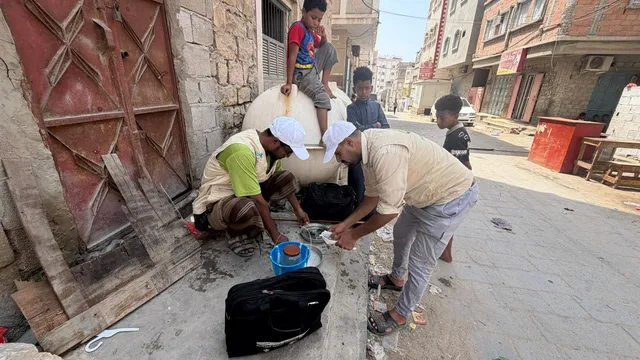
Yemen is currently facing a significant outbreak of dengue fever, which has raised serious concerns among health workers and the public. The outbreak has been exacerbated by the country's fragile healthcare system, which has been severely impacted by years of conflict, chronic underfunding, and repeated disease outbreaks. Health workers, particularly in the province of Shabwa, are engaged in a nationwide campaign to combat the spread of dengue fever. This campaign includes surveillance of mosquito breeding sites, public awareness initiatives, insecticide spraying, and training for health workers to diagnose and treat dengue cases in hospitals and local health centers.
Despite these efforts, the campaign faces numerous challenges. Limited funding has hindered the effectiveness of the anti-dengue initiatives, and there is a significant lack of public awareness regarding the prevention of dengue fever and the importance of seeking early treatment. Many patients delay seeking medical help, often arriving at hospitals in critical condition. This delay is attributed to financial hardships that prevent some individuals from traveling to health facilities, as well as a tendency to misdiagnose the initial symptoms of dengue as a common fever.
The situation is further complicated by the fact that many residents rely on poorly constructed and uncovered water storage tanks, which serve as breeding grounds for the mosquitoes that transmit dengue fever. Health workers have reported difficulties in gaining cooperation from homeowners to eliminate these breeding sites, which is crucial for controlling the mosquito population. The ongoing outbreak has placed additional strain on an already overburdened healthcare system, which is struggling to provide adequate services to the population.
In summary, the dengue fever outbreak in Yemen highlights the urgent need for increased funding, public education, and community cooperation to effectively combat the disease. Without these essential elements, the health crisis is likely to worsen, leading to more severe health outcomes for the population. The combination of environmental factors, healthcare challenges, and public awareness issues creates a complex situation that requires immediate attention and action from both local and international stakeholders.