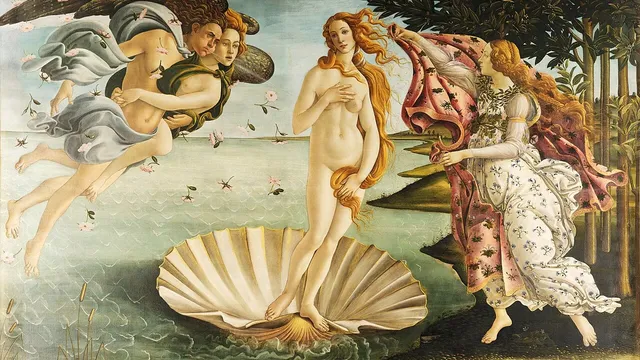
In Italy, Simonetta Vespucci, the muse of renowned painter Sandro Botticelli, died in 1476 at the young age of 23. For many years, historians attributed her death to tuberculosis, a common and often fatal disease during that era. However, recent research has proposed an alternative explanation based on a combination of art history and clinical endocrinology. The study suggests that the physical changes observed in Botticelli's portraits of Simonetta indicate the presence of a pituitary adenoma, a type of tumor that affects hormone production. This gradual shift in her features, documented across several paintings from the 1470s to the posthumous 'Birth of Venus,' points to a tumor that may have developed over months or years. Furthermore, accounts from the time describe her final illness, including symptoms such as severe headaches, hallucinations, and a rapid decline in health, which align more closely with pituitary tumor apoplexy than with tuberculosis. This condition typically leads to sudden and severe headaches, loss of vision, confusion, and a swift deterioration of the body's hormonal regulation. The researchers argue that this explanation accounts for the dramatic and rapid nature of her death, contrasting with the slower decline typically associated with chronic infections like tuberculosis. The study emphasizes the importance of integrating medical knowledge with historical analysis to better understand cases like Simonetta's, encouraging both historians and medical professionals to reconsider historical medical cases through a modern lens.