Japan has faced significant economic challenges over the past few years, primarily due to ultra-easy monetary policies that have not succeeded in stimulating spending. The prevailing belief is that low interest rates have led to various economic issues, but this perspective is largely misguided. Instead, low interest rates in Japan have been a reflection of tight monetary conditions, characterized by low money growth and weak economic activity. From 2000 until the onset of the Covid-19 pandemic in 2020, Japan's broad money growth averaged only 2.6% per year, resulting in minimal nominal GDP growth.
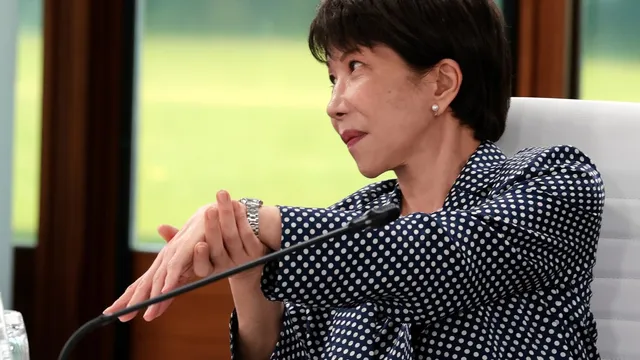
The situation worsened as Japan reverted to its pre-Covid policy mix, with Prime Minister Sanae Takaichi increasing fiscal spending while the Bank of Japan (BOJ) oversaw a decline in money growth to 2.5%. This decline is expected to lead to low nominal GDP growth and near-zero inflation, contradicting the belief held by Governor Kazuo Ueda that higher wages and rising energy and import prices would sustain inflation and interest rates. The current bond yields, which typically track nominal GDP trends, are still reflecting the inflation spike that occurred during the pandemic.
As a result, overall consumer price index (CPI) inflation is slowing rather than accelerating, indicating that unless broad money growth accelerates to 5% or more, inflation will continue to decline, pulling interest rates and bond yields down with it. The economic landscape in Japan is further complicated by the long-standing low inflation rates experienced over the past 35 years, which have shaped the current monetary conditions.
In summary, Japan's economic policies and monetary conditions are at a critical juncture, with the potential for continued low growth and inflation unless significant changes are made to stimulate broad money growth. The challenges faced by the Japanese economy highlight the complexities of monetary policy and its impact on overall economic health.