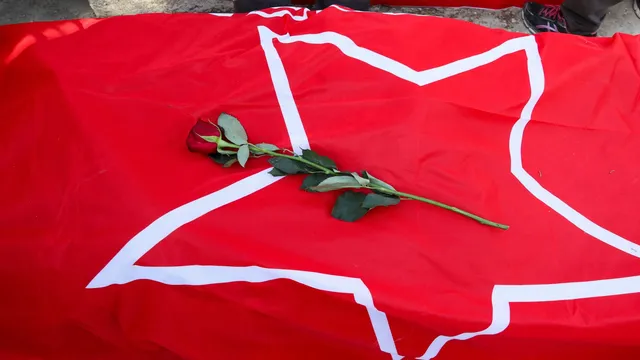
In Iraq, Iranian Kurdish groups have faced significant military aggression from Iran since the onset of the current conflict. These groups, which have historically operated from bases in northern Iraq, have been targeted by Iranian drones and missiles, leading to the deaths of at least thirteen fighters connected to one Kurdish party. The Coalition of Political Forces of Iranian Kurdistan was formed on February 22, 2026, in response to the suppression of protests, highlighting the ongoing struggle for Kurdish rights and autonomy in the region. Despite their military capabilities, these groups have reported a lack of support from the United States and other countries, complicating their situation further.
The Iraqi Kurdistan Regional Government has urged Iranian Kurdish parties to limit their activities to avoid provoking Iranian retaliation, which has made the region increasingly vulnerable to conflict. The Iranian military has conducted operations against these Kurdish groups, and the situation has escalated with retaliatory attacks on US assets in the Kurdish region following US-Israel strikes on Iran. This has drawn Iraq's Kurdistan Region into a broader conflict, raising concerns about the stability of the area and the potential for a security vacuum should the Iranian regime collapse.
Experts suggest that while the Kurdish parties have found a degree of political and military space in Iraq, they are also at risk of becoming embroiled in the larger geopolitical tensions between Iran and the US. The complex dynamics of the region mean that any confrontation could have dire consequences not only for the Kurdish groups but also for the Iraqi Kurdistan Region and its inhabitants. The ongoing conflict poses a significant challenge for Kurdish aspirations for autonomy and security, as they navigate the delicate balance of power in a volatile environment.
As the situation continues to evolve, the Kurdish groups are left to contend with the harsh realities of their military engagements and the geopolitical landscape that shapes their existence. The future remains uncertain, with the potential for both opportunity and turmoil as the conflict unfolds.