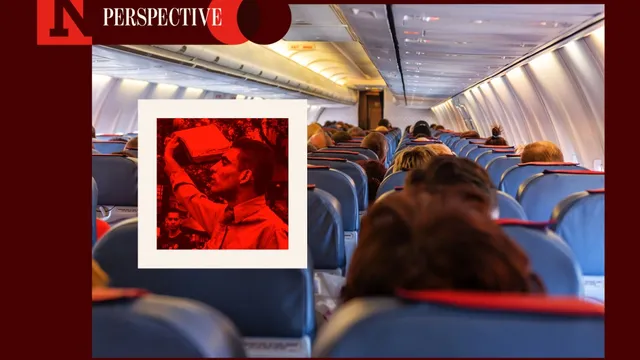
In March 2026, a video clip from a Cebu Pacific flight went viral, showcasing a self-described evangelist who turned the airplane cabin into a makeshift pulpit. This incident highlighted the tension between personal beliefs and shared public spaces, as passengers found themselves unable to escape the unsolicited sermon. The reactions from those on board varied significantly, revealing deeper societal issues regarding free expression and the boundaries of public faith. Many passengers expressed discomfort, arguing that faith is personal and should not intrude upon shared transport experiences. This incident raised questions about the social contract of air travel, where passengers typically agree to a set of behavioral norms, including maintaining silence and respecting others' space. The situation became even more complex as it revealed the hypocrisy of various ideological groups; progressives who usually advocate for free expression suddenly sought quiet, while conservatives who often criticize 'safe spaces' found themselves longing for a moment of peace away from unsolicited messages. The airplane environment, with its confined space and captive audience, transformed a delay into an opportunity for preaching, leading to discussions about whether airlines should implement guidelines to manage such occurrences. As the debate continues, it is clear that the issue of in-flight preaching is not merely about free speech but also about the respect for personal boundaries in shared spaces.