The history of U.S.-Iran relations is marked by a complex interplay of political, economic, and cultural factors that have evolved over more than a century. Initially, relations were relatively cordial, with the United States supporting Iran's modernization efforts in the early 20th century. However, the dynamics shifted dramatically after World War II, particularly with the 1953 CIA-backed coup that overthrew Iran's democratically elected Prime Minister Mohammad Mossadegh. This event sowed deep-seated resentment among Iranians towards the U.S., as it was perceived as an infringement on their sovereignty and a betrayal of democratic ideals. The subsequent support for the Shah of Iran, who ruled with an authoritarian grip, further alienated the Iranian populace and set the stage for future conflicts.
The 1979 Iranian Revolution marked a pivotal turning point in U.S.-Iran relations. The overthrow of the Shah and the establishment of the Islamic Republic under Ayatollah Khomeini led to the severing of diplomatic ties and the onset of hostilities. The U.S. Embassy hostage crisis, where 52 American diplomats and citizens were held for 444 days, epitomized the breakdown of relations and fueled anti-American sentiment in Iran. In response, the U.S. imposed economic sanctions and sought to isolate Iran internationally, which only deepened the animosity between the two nations. Throughout the 1980s and 1990s, U.S. policy towards Iran was characterized by containment and opposition, particularly in the context of Iran's support for militant groups and its nuclear ambitions.
In the early 2000s, the U.S. adopted a more aggressive stance, particularly following the September 11 attacks, which led to the designation of Iran as part of the "Axis of Evil" by President George W. Bush. The subsequent invasion of Iraq in 2003 further complicated relations, as Iran sought to expand its influence in the region amidst the power vacuum created by the U.S. military presence. The tensions culminated in the nuclear crisis, with Iran's nuclear program becoming a focal point of international concern. Diplomatic efforts, including the 2015 Joint Comprehensive Plan of Action (JCPOA), aimed to curb Iran's nuclear capabilities in exchange for sanctions relief, representing a brief thaw in relations.
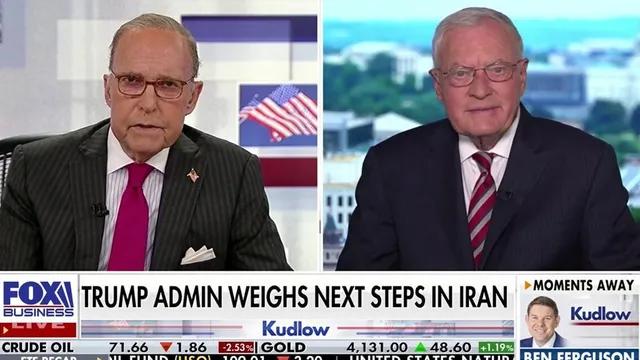
However, the U.S. withdrawal from the JCPOA in 2018 under President Donald Trump reignited hostilities, leading to a series of escalatory measures, including renewed sanctions and military confrontations in the Persian Gulf. The assassination of Iranian General Qassem Soleimani in early 2020 further heightened tensions, bringing the two nations to the brink of conflict. As of 2026, the relationship remains fraught, with ongoing debates in the U.S. regarding the best approach to Iran, balancing the need for security with the potential for diplomatic engagement. The historical context of U.S.-Iran relations underscores the challenges of reconciling national interests with the legacies of past actions, making the path forward uncertain.