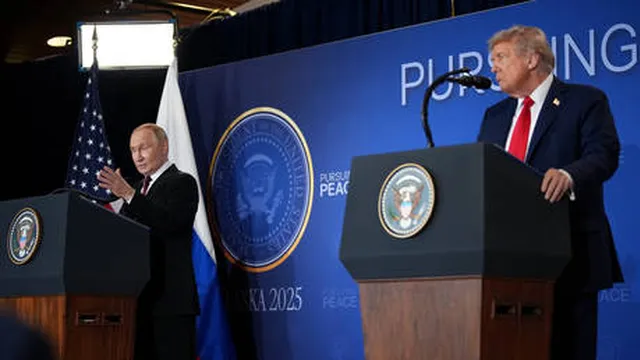
The history of the Ukraine conflict is a complex narrative that has evolved over decades, deeply rooted in historical, cultural, and political factors. The conflict can be traced back to Ukraine's independence from the Soviet Union in 1991, which marked the beginning of a struggle for national identity and sovereignty. The division between pro-European and pro-Russian sentiments within Ukraine has been a significant factor in the conflict. The 2004 Orange Revolution and the 2014 Euromaidan protests were pivotal moments that highlighted the desire of many Ukrainians to align more closely with Europe, while others favored maintaining strong ties with Russia. These events set the stage for the subsequent escalation of tensions in the region.
In 2014, the situation escalated dramatically when Russia annexed Crimea following the ousting of pro-Russian President Viktor Yanukovych. This move was widely condemned by the international community and led to sanctions against Russia. The annexation was followed by the outbreak of armed conflict in Eastern Ukraine, particularly in the Donetsk and Luhansk regions, where pro-Russian separatists declared independence. The Ukrainian government responded with military action, leading to a protracted and bloody conflict that has resulted in thousands of deaths and significant displacement of people. The Minsk agreements, aimed at establishing a ceasefire and a political resolution, have been repeatedly violated, and the situation remains unresolved.
The conflict has had profound implications not only for Ukraine but also for regional and global geopolitics. NATO and the European Union have increased their support for Ukraine, while Russia has sought to assert its influence in the region. The conflict has also highlighted the challenges of post-Soviet transitions, as Ukraine grapples with issues of governance, corruption, and economic instability. The humanitarian impact has been severe, with millions affected by the violence and ongoing instability. The international community continues to call for a peaceful resolution, but the path forward remains fraught with challenges.
As of 2026, the conflict persists, with sporadic fighting continuing in Eastern Ukraine and diplomatic efforts ongoing. The situation is further complicated by the broader geopolitical landscape, including relations between Russia and the West. The future of Ukraine remains uncertain, as the country navigates its identity and aspirations in the face of external pressures and internal divisions. The history of the Ukraine conflict is a testament to the complexities of national identity, sovereignty, and the enduring impact of historical legacies in shaping contemporary political realities.