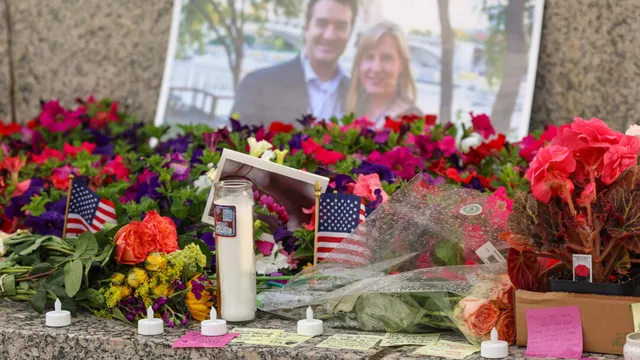
Political violence has emerged as a significant concern in the United States, particularly in its impact on lawmakers and the legislative process. The rise in politically motivated violence, including threats, harassment, and physical attacks, has created an environment of fear and uncertainty among elected officials. This violence not only affects the personal safety of lawmakers but also has broader implications for democratic governance and public trust in political institutions. As lawmakers face increasing hostility, their ability to engage in open dialogue and bipartisan cooperation is severely compromised, leading to a more polarized political landscape.
The consequences of political violence extend beyond immediate physical threats. Lawmakers may alter their behavior, becoming more cautious in their public engagements and interactions with constituents. This shift can result in a decrease in transparency and accountability, as officials may avoid public forums or limit their accessibility to the public. Furthermore, the psychological toll of such violence can lead to increased stress and anxiety among lawmakers, impacting their decision-making processes and overall effectiveness in office. The fear of violence can stifle the willingness of lawmakers to advocate for controversial issues or engage in necessary debates, ultimately hindering legislative progress.
Moreover, the impact of political violence is not uniform across all lawmakers. Women and minority lawmakers often face heightened levels of violence and intimidation, which can exacerbate existing disparities in political representation. This disproportionate targeting can discourage diverse voices from participating in politics, leading to a less representative and less effective legislative body. The implications of this trend are profound, as a lack of diversity in political representation can result in policies that do not adequately address the needs and concerns of all constituents.
In conclusion, the impact of political violence on lawmakers in the United States is a pressing issue that threatens the foundations of democracy. As the political climate continues to evolve, it is crucial for policymakers, law enforcement, and civil society to address the root causes of political violence and implement measures to protect lawmakers and promote a safer political environment. Ensuring the safety and well-being of elected officials is essential for fostering a healthy democratic process, encouraging civic engagement, and restoring public trust in government institutions.