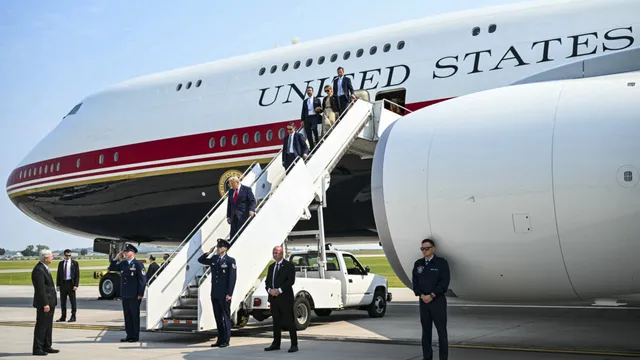
In the United States, the Department of Justice (DOJ) has come under scrutiny for its recent actions involving the New York Times. Following a report published on July 8, which detailed security concerns regarding a Qatari-gifted Air Force One jet, the DOJ issued subpoenas to phone providers. These subpoenas sought the phone records of journalists from the Times, as well as their family members, including spouses and a journalist's mother. The report indicated that the Secret Service had advised President Donald Trump to use an older model of Air Force One due to security issues with the new jet. This revelation reportedly angered Trump, prompting him to initiate an investigation into the leak of this sensitive information. The DOJ's actions have raised alarms among press freedom advocates, who view the subpoenas as an overreach intended to intimidate journalists and stifle reporting critical of the administration. The lawyers representing the Times expressed deep concern over the subpoenas, arguing that they violate First Amendment rights and represent an abuse of the grand jury process. They noted that some subpoenas sought records dating back to January 1, suggesting that the investigation was not solely focused on the articles published in July but aimed at uncovering broader source relationships of the journalists involved. The DOJ defended its actions, stating that the subpoenas were issued in compliance with federal law and internal policies, and were aimed at identifying those leaking classified information rather than targeting the reporters themselves. This situation has sparked a significant debate about the balance between national security and press freedom, with critics arguing that the administration's approach undermines the essential role of journalism in a democratic society. The ongoing investigation and the DOJ's tactics have drawn widespread condemnation from various media organizations and advocacy groups, who argue that such measures threaten the integrity of the press and the public's right to know.