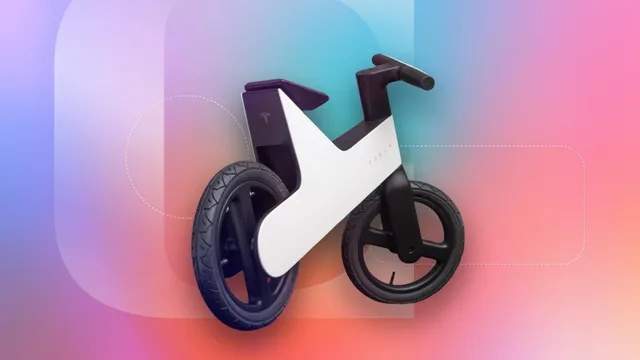
Tesla launches $225 balance bike for kids
business
controversial
innovative

Tesla launches $225 balance bike for kids

20
(Update: )
American automotive, energy storage and solar power company
  • Tesla has launched a new balance bike priced at $225, targeting children.
  • The bike aims to cultivate brand loyalty among younger consumers.
  • The reception has been mixed, with debates over its high price and necessity.
Share opinion
2

Story

In July 2026, Tesla introduced a new product that has taken many by surprise: a balance bike designed for children. This unexpected addition to Tesla's lineup is aimed at the younger demographic, particularly those who aspire to embody the brand's edgy image. The bike is marketed as a Tesla-branded balance bike, which aligns with the company's reputation for innovation and modern design. The pricing of $225 has raised eyebrows, as it is considered high for a children's bike, leading to discussions about the brand's positioning in the market. The decision to create a balance bike may stem from Tesla's strategy to expand its brand presence beyond electric vehicles and into lifestyle products. By targeting children, Tesla aims to cultivate brand loyalty from a young age, potentially influencing future consumers who will grow up associating the Tesla name with quality and innovation. The bike's design reflects the sleek aesthetics that Tesla is known for, appealing to parents who value both style and functionality in children's products. However, the reception of the balance bike has been mixed. While some parents appreciate the unique offering and the brand's attempt to engage with younger audiences, others question the necessity and practicality of such a product. The high price point has also sparked debate about whether it is justified, especially when compared to more traditional options available in the market. Critics argue that the bike may not offer significant advantages over less expensive alternatives, raising concerns about accessibility for families. As Tesla continues to diversify its product range, the balance bike serves as a case study in brand extension and consumer perception. The company's ability to successfully market this product will likely depend on how well it resonates with both children and their parents. The balance bike's launch could pave the way for more innovative products aimed at younger audiences, further solidifying Tesla's position as a leader in both technology and lifestyle branding.

Context

Tesla has been at the forefront of the electric vehicle (EV) revolution, but its ambitions extend far beyond just cars. The company is strategically positioning itself to expand its product line into various sectors, leveraging its expertise in battery technology, software, and sustainable energy solutions. This report outlines Tesla's strategy for diversifying its offerings and the potential impact on the market and the environment. One of the key areas of expansion for Tesla is energy storage and management. The company has already made significant strides with its Powerwall and Powerpack products, which allow consumers and businesses to store solar energy for later use. By integrating these products with its electric vehicles, Tesla aims to create a seamless ecosystem that promotes energy independence and sustainability. This approach not only enhances the value proposition of Tesla's vehicles but also positions the company as a leader in the renewable energy sector. In addition to energy storage, Tesla is exploring opportunities in the solar energy market. The acquisition of SolarCity in 2016 marked a pivotal moment for the company, enabling it to offer solar panels and solar roof tiles. By combining solar energy generation with electric vehicle charging solutions, Tesla is creating a comprehensive energy solution for consumers. This vertical integration allows Tesla to control the entire energy supply chain, from generation to consumption, further solidifying its position in the market. Moreover, Tesla's advancements in autonomous driving technology are paving the way for new business models, such as ride-sharing and autonomous delivery services. The company's focus on developing a robust software platform for its vehicles will enable it to capitalize on these emerging markets. As Tesla continues to innovate and expand its product line, it is not only enhancing its competitive edge but also contributing to a more sustainable future. The company's commitment to reducing carbon emissions and promoting renewable energy solutions is likely to resonate with consumers and investors alike, ensuring its continued growth and success in the years to come.