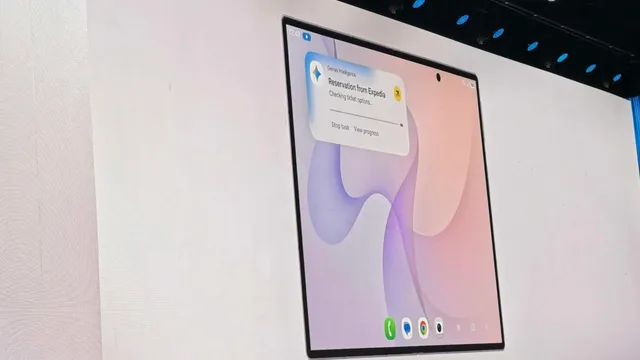
The impact of automation on mobile technology has been profound, reshaping how users interact with their devices and how businesses operate within the mobile ecosystem. Automation has streamlined various processes, enhancing user experience through personalized services and improved efficiency. For instance, mobile applications now leverage automation to provide tailored content, predictive text, and voice recognition features, making interactions more intuitive. This shift not only increases user satisfaction but also drives engagement, as users are more likely to utilize applications that adapt to their preferences and behaviors. Furthermore, automation in mobile technology has facilitated the rise of smart assistants, which have become integral to daily tasks, from setting reminders to controlling smart home devices, thereby enhancing the overall functionality of mobile devices.
In addition to improving user experience, automation has significantly impacted the development and deployment of mobile applications. Developers are increasingly utilizing automated testing and deployment tools, which reduce the time and resources required to bring applications to market. This has led to a more agile development process, allowing for rapid iterations and updates based on user feedback. Moreover, automation in coding and debugging processes has minimized human error, resulting in more reliable applications. As a result, businesses can respond more swiftly to market demands and technological advancements, ensuring they remain competitive in a fast-paced environment.
The integration of automation in mobile technology also raises important considerations regarding security and privacy. As mobile devices become more interconnected and reliant on automated systems, the potential for vulnerabilities increases. Automated systems can be targeted by cyber threats, leading to data breaches and unauthorized access to sensitive information. Consequently, it is crucial for developers and companies to implement robust security measures and continuously monitor their systems to protect user data. Additionally, as automation collects and analyzes vast amounts of user data to enhance personalization, concerns about privacy and consent have emerged, necessitating transparent practices and user control over their information.
Looking ahead, the future of mobile technology will likely be heavily influenced by advancements in automation. Emerging technologies such as artificial intelligence and machine learning are expected to further enhance automation capabilities, leading to even more sophisticated mobile applications and services. As these technologies evolve, they will enable more seamless interactions and smarter decision-making processes, ultimately transforming the mobile landscape. However, it is essential for stakeholders to address the challenges associated with automation, including ethical considerations and the need for regulatory frameworks, to ensure that the benefits of automation in mobile technology are realized while safeguarding user interests.