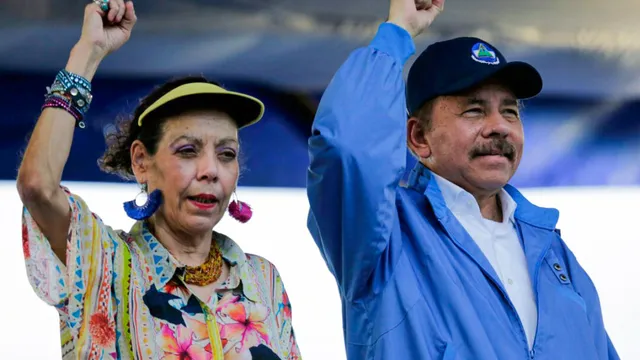
Nicaragua, under the leadership of President Daniel Ortega, has officially announced the end of elections in the country. This declaration was made during a speech commemorating the 1979 Sandinista revolution, where Ortega stated, "There won’t be any more elections here for them to try to seize the government and seize power." This move is seen as a significant step towards consolidating his power and preventing any opposition from gaining a foothold in the political landscape. Ortega's government has faced increasing criticism for its authoritarian practices, including a violent crackdown on protests in 2018 that resulted in over 300 deaths and thousands of exiles.
The announcement comes at a time when Latin America is experiencing a shift towards conservative governance, further isolating Ortega's Marxist-Leninist regime. U.S. Secretary of State Marco Rubio has condemned Ortega's decision, labeling it as an act of cowardice and a sign of fear regarding the will of the Nicaraguan people. The Trump administration has previously described Ortega's government as a dictatorship and has imposed sanctions on numerous Nicaraguan officials.
Ortega, who has been in power since 2007, has faced allegations of rigging elections and extending his control over all branches of government. His administration has been accused of human rights violations by the U.N. Human Rights Council, which has labeled his regime as one of the most oppressive in the region. The last elections held in Nicaragua were in 2021, which were widely disputed and marred by the detention of opposition leaders and activists.
The implications of Ortega's declaration are profound, as it effectively eliminates any democratic competition and solidifies his grip on power. Critics argue that this move is a desperate attempt to maintain control in the face of growing dissent and opposition. The international community, particularly the United States, has expressed concern over the potential for increased repression and instability in Nicaragua as a result of this decision.