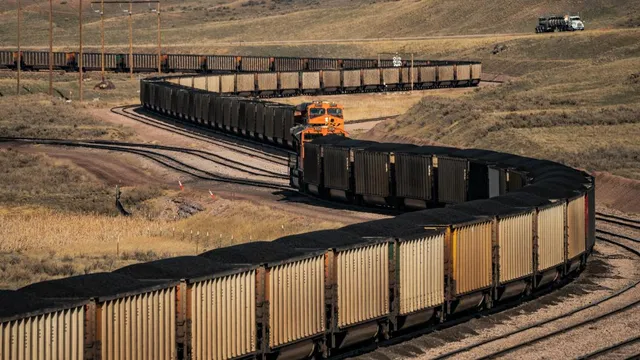
In a recent report published by the U.S. Geological Survey, it was revealed that the coal resources located beneath federally managed public lands in the United States are sufficient to last for at least six centuries. This assessment indicates that there are approximately 4.2 billion short tons of coal reserves associated with active mines, alongside an additional 356 billion short tons of available coal resources. The report, released by the Department of the Interior, highlights the significant role of coal in the nation's energy strategy, particularly in light of the ongoing demand for electricity and the geopolitical challenges affecting energy supply.
Wyoming stands out as the leading state in coal production, accounting for 87% of the reported coal reserves associated with active mines on federal land. Of the 34 coal mines located on federal lands, 14 are situated in Wyoming, which produces the highest volume of coal in the country. The report also notes that more than half of all coal produced in the United States in 2024 was mined from federal lands, underscoring the importance of these resources in meeting the nation's energy needs.
The Trump administration has emphasized the significance of coal in its energy agenda, with Secretary of the Interior Doug Burgum stating that American energy dominance is crucial for future prosperity. The administration's policies have led to a reversal of shutdown plans for over 15 coal plants, a move criticized by environmental groups like The Sierra Club, which highlighted the health risks associated with coal pollution. The Sierra Club reported that exposure to air pollution from coal plants resulted in over 6,500 deaths in the United States in 2024 alone.
As the U.S. continues to navigate its energy landscape, the findings from the U.S. Geological Survey provide a clearer picture of the country's coal resources and their potential role in ensuring energy security. The report serves as a critical tool for managing public lands responsibly while balancing economic opportunities and environmental concerns. The ongoing debate surrounding coal's role in the energy mix reflects broader discussions about sustainability, health impacts, and the future of energy production in the United States.