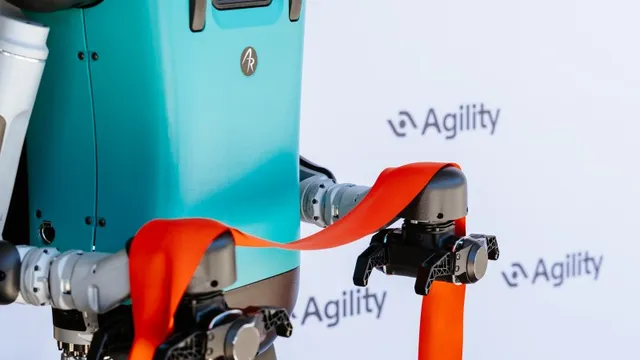
The field of humanoid robotics has seen significant advancements in recent years, particularly in the area of safety measures. As humanoid robots become increasingly integrated into various sectors, including healthcare, manufacturing, and domestic environments, ensuring their safe interaction with humans is paramount. This report outlines the latest developments in safety protocols, design innovations, and regulatory frameworks that aim to mitigate risks associated with humanoid robots. The focus is on creating robots that not only perform tasks efficiently but also prioritize the safety and well-being of human users.
One of the key advancements in humanoid robotics safety is the implementation of advanced sensor technologies. These sensors enable robots to detect and respond to their surroundings in real-time, significantly reducing the likelihood of accidents. For instance, proximity sensors, cameras, and LIDAR systems allow robots to navigate complex environments while avoiding obstacles and recognizing human presence. Furthermore, the integration of artificial intelligence (AI) enhances the robots' ability to learn from their interactions, enabling them to adapt their behavior to ensure safer operations. This combination of sensory input and AI-driven decision-making is crucial for developing robots that can operate safely alongside humans.
In addition to technological innovations, there has been a concerted effort to establish comprehensive safety standards and regulations for humanoid robots. Organizations such as the International Organization for Standardization (ISO) and the Institute of Electrical and Electronics Engineers (IEEE) are actively working on guidelines that address safety concerns in robotic design and deployment. These standards encompass various aspects, including risk assessment, testing protocols, and user training. By adhering to these guidelines, manufacturers can ensure that their humanoid robots are designed with safety as a core principle, ultimately fostering public trust and acceptance of robotic technologies.
Moreover, the development of collaborative robots, or cobots, has further emphasized the importance of safety in humanoid robotics. Cobots are designed to work alongside humans, often in shared workspaces, and are equipped with features that prioritize human safety. These features include force-limiting technology, which allows robots to sense and respond to physical contact with humans, thereby preventing injuries. As the demand for collaborative robots continues to grow, ongoing research and development in safety measures will be essential to address the unique challenges posed by human-robot collaboration. In conclusion, the advancements in humanoid robotics safety measures are critical for the successful integration of these technologies into everyday life, ensuring that they enhance human capabilities while minimizing risks.