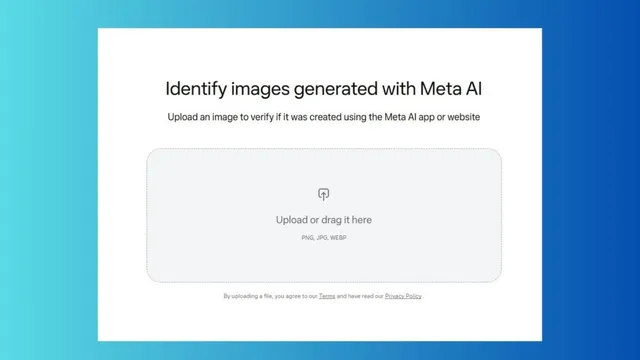
In recent months, Meta has introduced a new AI detection system known as Content Seal, which is designed to label AI-generated content. This system is part of Meta's ongoing efforts to improve transparency in AI-generated media. However, the launch has raised questions about the necessity of creating a new system when more established solutions, such as Google's SynthID and C2PA Content Credentials, already exist. These alternatives have been adopted by other companies, including OpenAI, indicating a willingness to collaborate on improving transparency across the industry.
Content Seal is currently limited to detecting images generated by Meta's latest AI model, Muse, and is not yet capable of identifying content from older models or video files. Users can only check for Content Seal watermarks through a dedicated web tool that Meta is testing, which imposes a daily limit on the number of checks. This limitation has been criticized as counterproductive to the goal of enhancing AI transparency, especially when compared to C2PA, which does not impose such restrictions.
Meta's approach to watermarking includes applying unspecified metadata alongside Content Seal on its platforms like Facebook and Instagram. However, there are concerns about the effectiveness of this system outside of Meta's own platforms, as the company has not clarified how it plans to work with other platforms that also label AI content. This lack of broader support could hinder the effectiveness of Muse-generated images being labeled accurately across the internet.
Despite having provided AI image generation tools since 2023, Meta's new system raises questions about its commitment to transparency and the identification of AI-generated content. The company has faced criticism in the past for mistakenly labeling real photographs as AI-generated, which has led to frustration among photographers. As the demand for authenticity in a world filled with synthetic content grows, Meta's efforts to position itself as both a creator of AI content and a solution for identifying it appear to be a challenging balancing act.