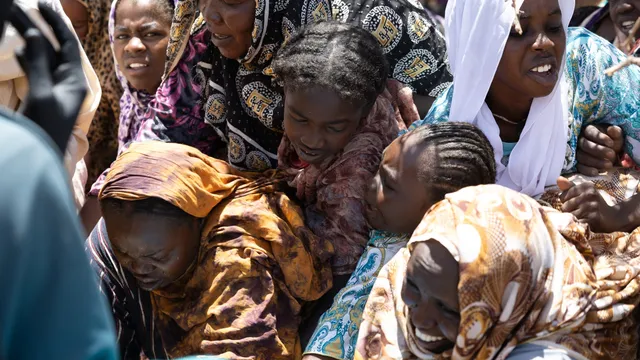
The humanitarian aid efforts in Chad for Sudanese refugees have become increasingly critical due to the ongoing conflict in Sudan, which has led to a significant influx of displaced individuals seeking safety and support. As of mid-2026, Chad hosts over 400,000 Sudanese refugees, primarily concentrated in the eastern regions of the country. The situation is exacerbated by limited resources, ongoing insecurity, and the challenges posed by the harsh environmental conditions in Chad. Humanitarian organizations, including the United Nations High Commissioner for Refugees (UNHCR) and various non-governmental organizations (NGOs), have mobilized to provide essential services, including food, shelter, healthcare, and education to these vulnerable populations. However, the scale of the need often outstrips the available resources, necessitating a coordinated response from international donors and agencies to address the growing crisis effectively.
In response to the urgent needs of Sudanese refugees, humanitarian efforts have focused on establishing refugee camps equipped with basic amenities and services. These camps are designed to provide a safe haven for refugees while facilitating access to food distribution, medical care, and psychosocial support. Additionally, initiatives aimed at integrating refugees into local communities have been implemented to foster social cohesion and reduce tensions between host populations and newcomers. Education programs for children and vocational training for adults are also being prioritized to enhance self-reliance and promote long-term stability. Despite these efforts, challenges remain, including funding shortfalls, logistical difficulties in remote areas, and the need for ongoing advocacy to raise awareness about the plight of refugees in Chad.
The international community plays a crucial role in supporting humanitarian aid efforts in Chad. Funding from various governments, international organizations, and private donors is essential to sustain operations and expand services for refugees. The UNHCR has called for increased financial contributions to meet the growing needs of the refugee population, emphasizing the importance of a multi-year funding approach to ensure continuity of support. Furthermore, partnerships between humanitarian agencies and local organizations are vital for effective service delivery, as they leverage local knowledge and resources to enhance the impact of aid interventions. Advocacy efforts are also necessary to highlight the challenges faced by refugees and to mobilize additional support from the global community.
Looking ahead, the situation for Sudanese refugees in Chad remains precarious, with ongoing conflict in Sudan and the potential for further displacement. Continued humanitarian assistance is essential to address immediate needs while also focusing on long-term solutions that promote resilience and self-sufficiency among refugees. The commitment of the international community to support Chad in its humanitarian response will be critical in shaping the future for these displaced individuals. As the situation evolves, it is imperative that aid efforts remain adaptable and responsive to the changing dynamics on the ground, ensuring that the rights and dignity of refugees are upheld and that they receive the support necessary to rebuild their lives.